Remember when online communities were just places to chat? Those days are gone.
Modern communities have transformed into sophisticated learning ecosystems where members don’t just connect, they grow together.
The shift happened quietly: a forum thread became a tutorial, a member’s question sparked a masterclass, and suddenly, casual spaces evolved into structured learning environments.
At the heart of this transformation sits learning pathway design, a structured roadmap that guides learners from point A to mastery.
Think of learning pathway design as a GPS for skill development. Instead of wandering through random content, learners follow a clear route with checkpoints, milestones, and a destination.
BuddyBoss paired with a Learning Management System (LMS) makes this possible. The combination turns scattered knowledge into organized journeys while keeping the community spirit alive.
What Is a Learning Pathway?
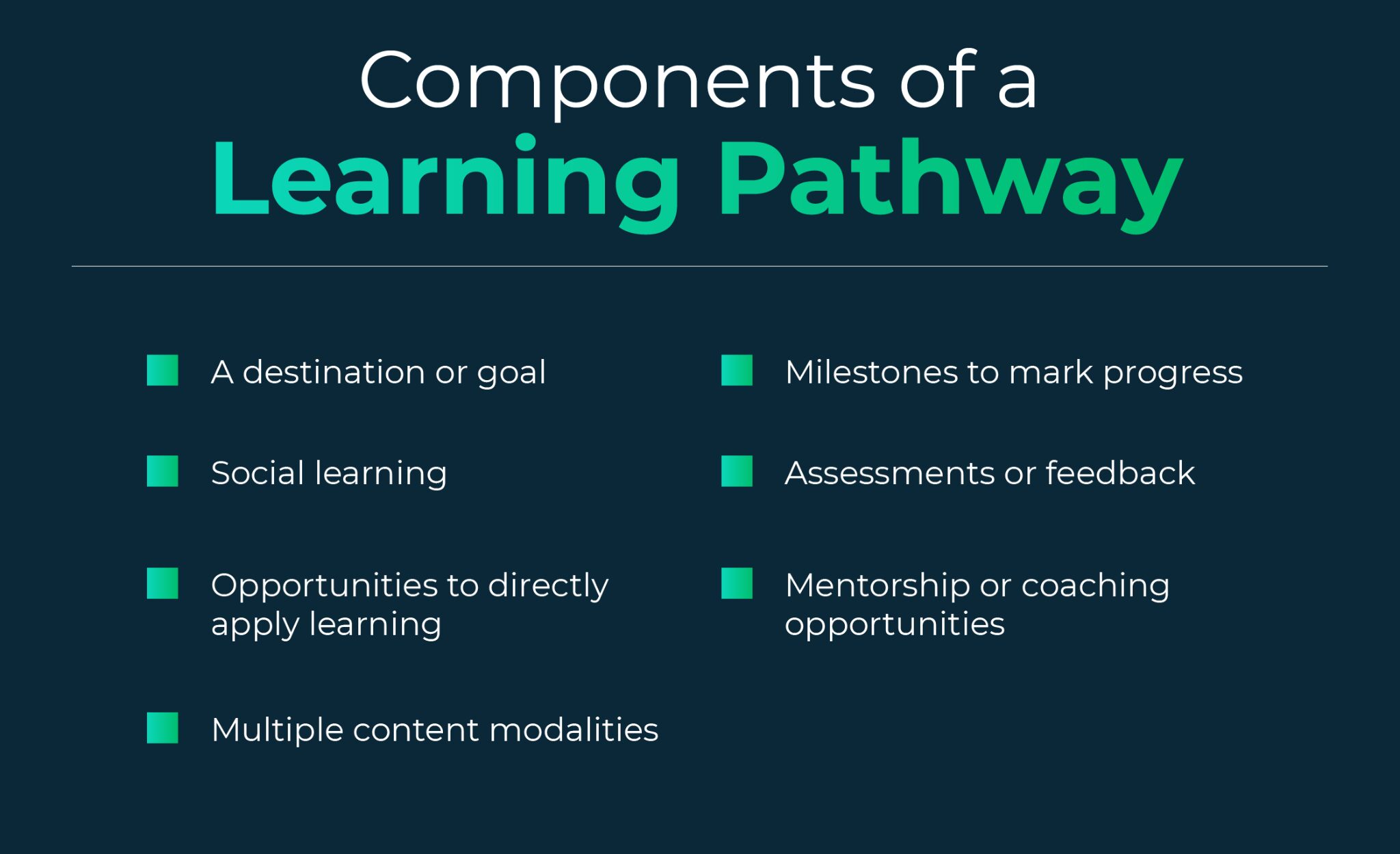
A learning pathway is exactly what it sounds like: a step-by-step route through educational content.
Imagine climbing a mountain with marked trails versus bushwhacking through dense forest. Same destination, wildly different experiences.
Learning pathway design creates three critical outcomes:
Direction. Learners know what comes next. No confusion about whether they’re ready for advanced topics or still need fundamentals.
Motivation. Progress becomes visible. Each completed module feels like a small victory, building momentum toward larger goals.
Measurable results. Both learners and educators can track advancement. Analytics show completion rates, engagement patterns, and knowledge gaps.
The benefits compound quickly. Communities with structured pathways report consistency in skill development, better retention rates (up to 60% higher in some cases), and members who actually finish what they start.
The Connection Between Online Communities and Effective Learning Pathways
Here’s what traditional online courses get wrong: they isolate learners.
You watch videos alone. Complete assignments alone. Struggle with concepts alone.
Communities flip this model. Learning pathway design integrated with community features creates peer-powered education.
Discussion forums become problem-solving hubs where members help each other through challenging concepts.
Feedback loops form naturally when learners share their work and receive input from peers who’ve walked the same path. Group learning activities transform abstract lessons into collaborative projects.
BuddyBoss enhances these interactions through native community features:
- Activity feeds showcase member progress and spark conversations
- Private groups organize learners by skill level or topic
- Direct messaging enables mentorship relationships
- Member profiles display achievements and expertise
The result? Learning becomes social again. Members stick around longer because they’re invested in both their education and their relationships.
Build A Learning Pathway with BuddyBoss + LMS
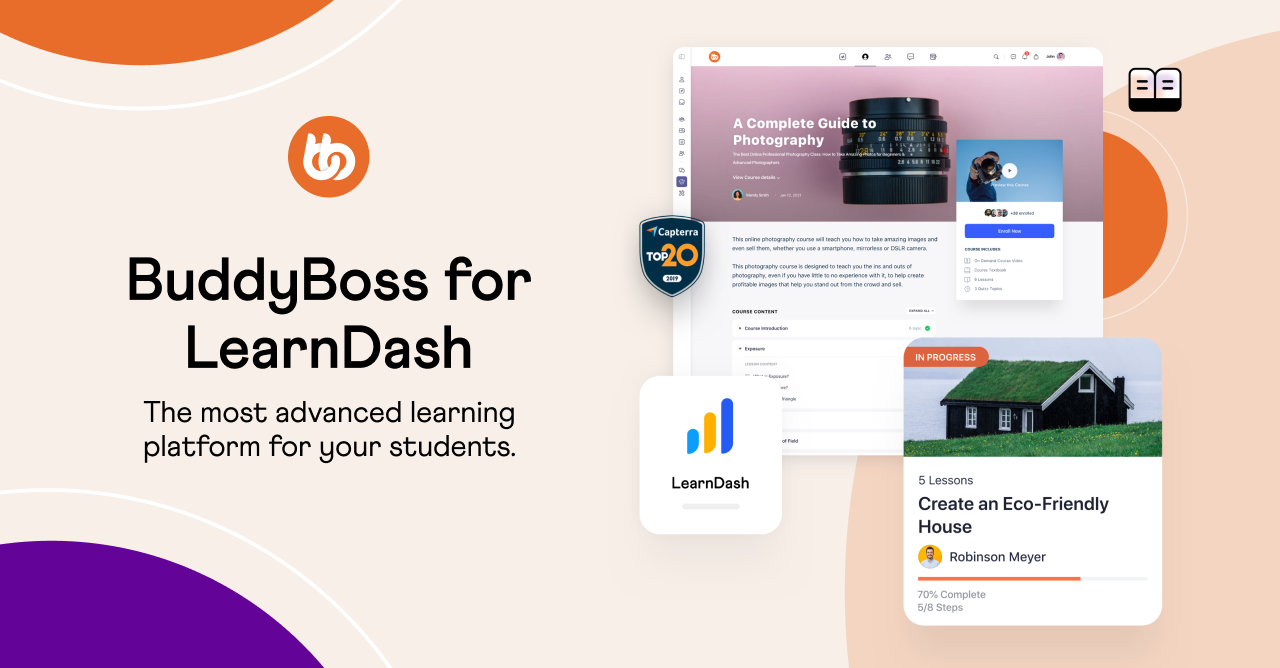
Creating a successful learning pathway in your online community starts with the right tools and a clear plan.
With BuddyBoss and an integrated LMS like LearnDash, Lifter LMS or TutorLMS– you can structure engaging courses, connect members to targeted groups, and empower learners to progress with confidence.
This step-by-step guide shows exactly how to combine BuddyBoss’s robust social features with LMS capabilities, making it easy to build a learning journey that keeps participants motivated and connected from start to finish.
Step 1: Define Learning Goals and Member Segments
Start with your audience. Who are they? What do they need to learn? Where are they starting from?
Effective learning pathway design begins with segmentation. A graphic designer switching to web development needs different guidance than a complete beginner. Create learner personas:
- Beginners: Need foundational concepts, extra support, slower pacing
- Intermediate: Want to bridge knowledge gaps, apply skills practically
- Advanced: Seek optimization techniques, leadership skills, niche expertise
Survey your community. Ask about their goals, pain points, and preferred learning styles. This data shapes your pathway structure.
Step 2: Structure the Pathway Using LMS Modules
Your LMS (LearnDash, LifterLMS, or similar) handles the educational architecture.
Break content into modules that build logically. Each module should:
- Focus on one core concept
- Include varied content types (videos, readings, exercises)
- End with a knowledge check (quiz, project, or reflection)
- Unlock the next module upon completion
Example pathway structure:
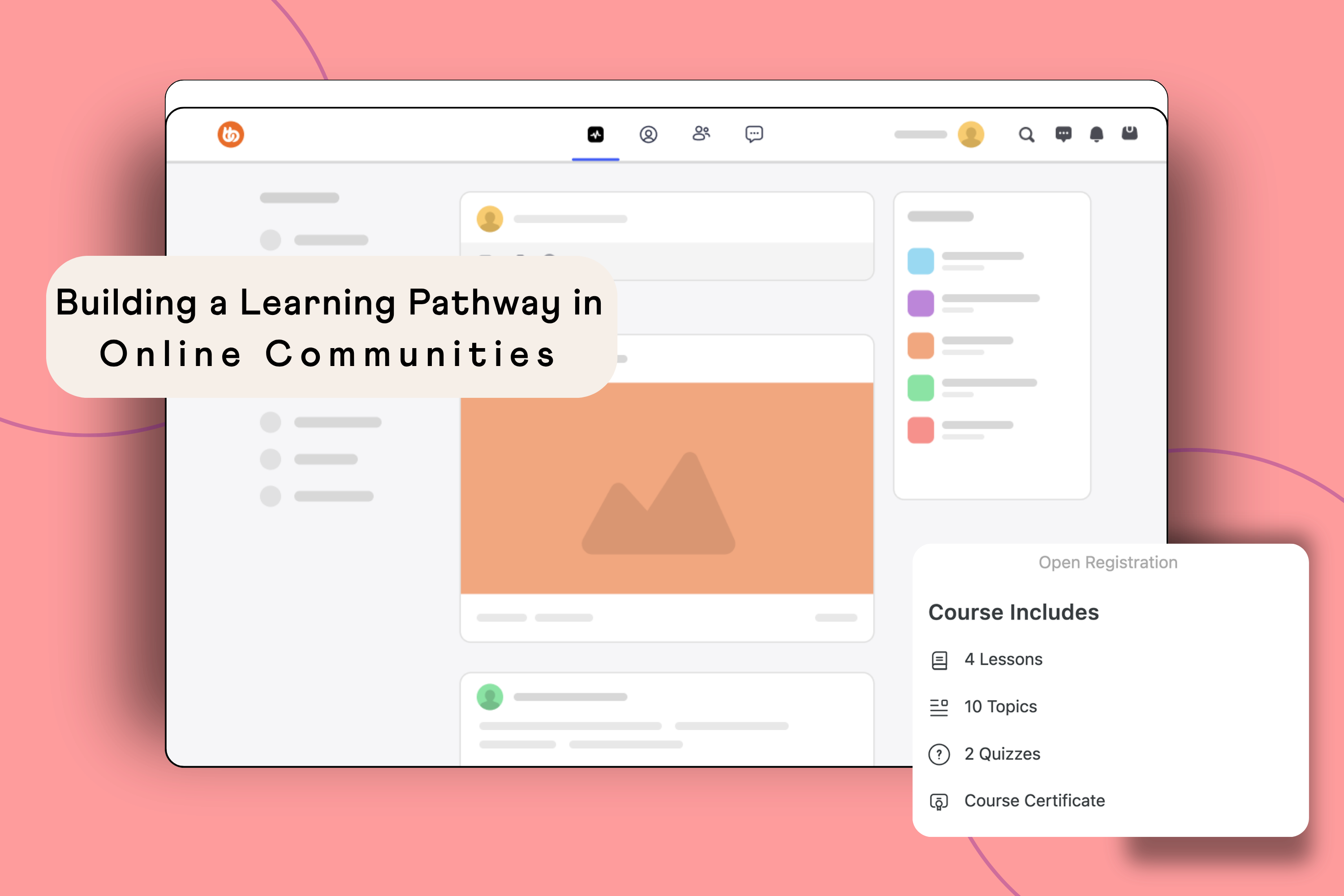
Module 1: Foundation (2 weeks)
Module 2: Core Skills (3 weeks)
Module 3: Application (3 weeks)
Module 4: Advanced Techniques (4 weeks)
Module 5: Capstone Project (2 weeks)
Content should flow naturally. Don’t jump from beginner concepts to expert-level material without bridging steps. Think gradual incline, not vertical cliff.
Step 3: Integrate the Pathway Inside BuddyBoss
This is where learning pathway design meets community power.
Connect your LMS to BuddyBoss through native integration or plugins. This sync ensures that:
- Course enrollment appears on member profiles
- Progress displays in activity feeds
- Learners can discuss lessons in dedicated groups
- Achievements can unlock badges when BuddyBoss is configured with GamiPress or LMS completion triggers.
Create a dedicated group for each learning pathway or module. These spaces become mini-communities within your larger ecosystem. Pin resources, host live Q&As, and encourage members to share breakthroughs and challenges.
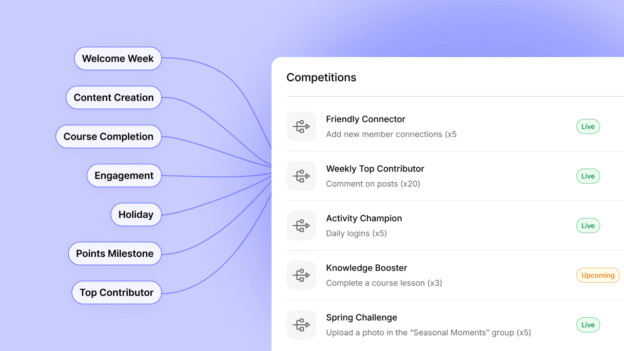
Gamification matters here. BuddyBoss integrates with GamiPress to support badges, points, and leaderboards. Award badges for completing modules, participating in discussions, or helping fellow learners. These digital acknowledgments drive engagement more than you’d expect.
Step 4: Encourage Peer Interaction and Support
Structured learning plus community interaction equals retention magic. Here’s how to build interaction points directly into your pathway:
Discussion prompts. After each lesson, post a question in your group forum. Make it specific enough to generate real conversation, not generic “What did you think?” fluff.
Peer review assignments. Have learners submit work for community feedback before final submission. This creates accountability and teaches evaluation skills.
Collaboration projects. Pair or group members for applied learning. Real-world projects beat theoretical exercises every time.
Office hours. Host regular live sessions where learners can ask questions, share progress, or work through problems together.
Recognition fuels participation. Highlight member achievements in activity feeds. Feature standout work. Celebrate completions publicly. These small acknowledgments create a culture where learning feels valued.
Step 5: Track Progress and Refine the Experience
Learning pathway design isn’t a set-it-and-forget-it process.
Your LMS provides analytics: completion rates, quiz scores, time spent per module, drop-off points. BuddyBoss adds engagement metrics: forum participation, group activity, profile visits.
Watch for patterns:
- Where do learners get stuck? That content needs revision.
- Which modules get skipped? They might be irrelevant or poorly positioned.
- When does engagement spike? Replicate those elements.
Gather direct feedback through surveys or community polls. Ask what’s working, what’s confusing, and what’s missing. Members will tell you exactly how to improve if you ask.
Update your pathway quarterly. Refresh outdated content, add new modules based on emerging needs, and remove elements that don’t serve learning goals.
Best Practices for Effective Learning Pathway Design
Keep it modular. Learners should see clear units with defined beginnings and ends. Massive, sprawling content overwhelms. Break big topics into digestible chunks.
Mix your formats. Video lessons, written guides, interactive exercises, live sessions, downloadable resources. Different learners absorb information differently. Variety also prevents monotony.
Reward milestones. Certificates, badges, or even simple congratulatory messages matter. They provide tangible proof of progress and natural pause points for reflection.
Balance structure with flexibility. Self-paced learning respects different schedules and speeds. Group activities create accountability and connection. Your pathway needs both. Let members move through content at their own pace but schedule regular community touchpoints (weekly discussions, monthly projects, quarterly cohort sessions).
Make navigation intuitive. Learners shouldn’t hunt for the next module or wonder if they missed something. Clear labels, progress indicators, and logical sequencing prevent confusion.
FAQs on Learning Pathway Design
Which LMS works best with BuddyBoss for creating learning pathways?
BuddyBoss integrates seamlessly with several LMS platforms, including LearnDash, LifterLMS, and TutorLMS. LearnDash is often the most popular choice for its robust features like drip content, advanced quizzing, and detailed analytics. LifterLMS offers strong ecommerce capabilities if you’re selling courses. TutorLMS provides a lightweight option with solid community features. Your choice depends on your specific needs: budget, technical requirements, and desired features.
How long should a learning pathway take to complete?
This depends entirely on your content complexity and audience availability. Effective pathways range from 2 weeks for focused skill-building to 12+ weeks for comprehensive programs. The sweet spot for most communities is 4-8 weeks, allowing enough time for deep learning without losing momentum. More important than total length is pacing: break content into manageable weekly or bi-weekly modules. Always prioritize completion over cramming in more content.
Can I create multiple learning pathways for different skill levels?
Absolutely, and you should. Effective learning pathway design includes segmentation. Create separate pathways for beginners, intermediate, and advanced learners. You can also build specialized pathways for different roles or interests within your community. BuddyBoss groups help organize these segments, letting members join the pathway that matches their current level. Some communities even create “choose your own adventure” style pathways where learners select their track after completing foundational modules.
How do I keep learners engaged throughout the entire pathway?
Engagement comes from combining structure with community. Build interaction points directly into your pathway: discussion prompts after lessons, peer review assignments, group projects, and live office hours. Use BuddyBoss gamification features like badges, points, and leaderboards to recognize progress. Celebrate completions publicly in activity feeds. Mix content formats (videos, exercises, resources) to prevent monotony. Most importantly, create accountability through cohort-based learning where members progress together and support each other.
What’s the biggest mistake people make when designing learning pathways?
Content overload. Enthusiastic creators pack pathways with every possible piece of information, overwhelming learners and tanking completion rates. A focused pathway that members actually finish beats a comprehensive one that sits incomplete. Cut ruthlessly. If content doesn’t directly serve your learning goals, remove it. The second biggest mistake is ignoring the community aspect, if you’re not leveraging peer interaction and support, you’re just building another isolated online course.
How much does it cost to set up BuddyBoss with an LMS for learning pathways?
BuddyBoss pricing starts at $299/year for the platform license (one-time fee) plus hosting costs ($25-100/month depending on your provider). LearnDash costs $199/year for a single site. Budget around $500-800 for the first year including setup, then $300-500 annually for renewals. This covers the core platform and LMS. Additional costs might include premium plugins, design customization, or developer help for complex integrations. Compared to enterprise learning platforms that run $10,000-50,000+ annually, this represents significant savings.
Learning Pathway Design: Turning Your Community Into a Learning Hub
Structured learning pathways can turn any online community into a truly impactful learning platform.
By combining BuddyBoss with an LMS, you get organized courses and active social features working together, making it easier for members to connect, progress, and succeed. Start with one focused pathway, refine it with feedback, and expand as you go.
Ready to transform your community?
Launch your first learning pathway with BuddyBoss today and see how direction + community creates lasting growth.

-
 Article
 Article
- Growing Your Online Community