Picture thousands of customers creating content for your brand without being asked, defending your products in online discussions, and recruiting new buyers from their personal networks.
This isn’t wishful thinking, it’s the power of a thriving brand community in action!
Brand communities have evolved from marketing buzzwords into business necessities. Companies with strong communities see good revenue growth compared to those without, according to recent research.
These aren’t just customer support forums or social media followers. They’re passionate groups of people who connect around shared values, experiences, and aspirations tied to your brand.
The shift toward community-driven business models reflects a fundamental change in how consumers interact with brands.
People crave authentic connections and meaningful relationships in an increasingly digital world. Smart brands recognize this opportunity and build communities that serve both business goals and human needs.
Marketing vs Brand Building in Communities
Before comparing marketing and brand building in communities, it’s important to clarify how each contributes to a thriving ecosystem.
Marketing within communities focuses on short-term campaigns, promotion, and member acquisition, helping get the word out and draw new participants.
Brand building, on the other hand, is about fostering trust, shared identity, and long-term engagement among members.
Both strategies are interconnected, but their distinct goals and methods shape how communities grow, retain, and empower members over time.
| Feature | Marketing in Communities | Brand Building in Communities |
| Main Goal | Awareness, lead generation, sales conversion | Loyalty, shared identity, trust, long-term engagement |
| Communication | One-way, brand-directed, campaign-based | Two-way, authentic, member-driven discussions |
| Content Source | Brand-created assets, polished messaging | Member-generated content, peer validation |
| Time Focus | Short-term (campaigns, launches) | Long-term relationship building |
| Metrics | Clicks, impressions, conversion rates | Engagement, retention, referrals, advocacy |
| Role in Community | Drives first visits and initial sign-ups | Fosters belonging, supports deeper connections |
| Trust Mechanism | Authority, repetition | Social proof, authentic member voices |
| Cost | Steady investment for visibility | Initial investment, lower ongoing costs as community matures |
To put it simply, marketing attracts attention. Branding earns loyalty.
When you run Facebook ads, launch referral campaigns, or send promotional emails, you’re marketing. These tactics generate awareness and drive sign-ups.
They’re essential for growth, but they operate on short cycles: launch, promote, convert, repeat.
Community branding works differently. It’s a long game focused on identity, trust, and emotional recall.
Marketing might convince someone to join your community. Branding determines whether they stay, engage, and eventually advocate for you.
Consider this scenario: A targeted ad brings 100 new members to your community. They signed up because the offer looked interesting or the topic matched their needs. Fast forward six months. Maybe 15 are still active. What happened to the other 85?
They encountered dozens of similar communities with comparable content. Without distinctive community branding, they had no reason to prioritize yours. Your voice blended into the noise. Your visual identity felt generic. The experience didn’t create enough emotional connection to compete for their limited attention.
Branding is what members remember when they’re not actively participating. It’s the personality that makes them think of your community when they encounter a relevant problem, see a specific color combination, or hear a particular phrase. Marketing fills your funnel. Branding keeps people from leaking out.
Why Branding Gives a Community Perpetual Life
Communities with powerful brands don’t need constant promotional campaigns to survive. They sustain themselves through shared values, consistent identity, and emotional resonance that outlasts activity fluctuations.
This creates what brand strategists call “memory equity.” Even members who haven’t logged in for months still identify with your community.
They feel connected to what you represent. When they return, they’re coming home, not visiting a stranger’s house.
Emotional resonance transforms participation from a transaction into belonging. Members don’t just extract value; they feel proud to be part of something. They share their membership status. They defend your community in other spaces. They recruit friends without being asked.
Look at Notion’s community. Users maintain active connections to Notion’s ecosystem even during periods when they’re not heavily using the product.
The community branding, built around creativity, productivity, and beautiful systems, creates an identity users want to maintain. They stay subscribed to newsletters, follow community accounts, and check in periodically because the brand resonates with how they see themselves.
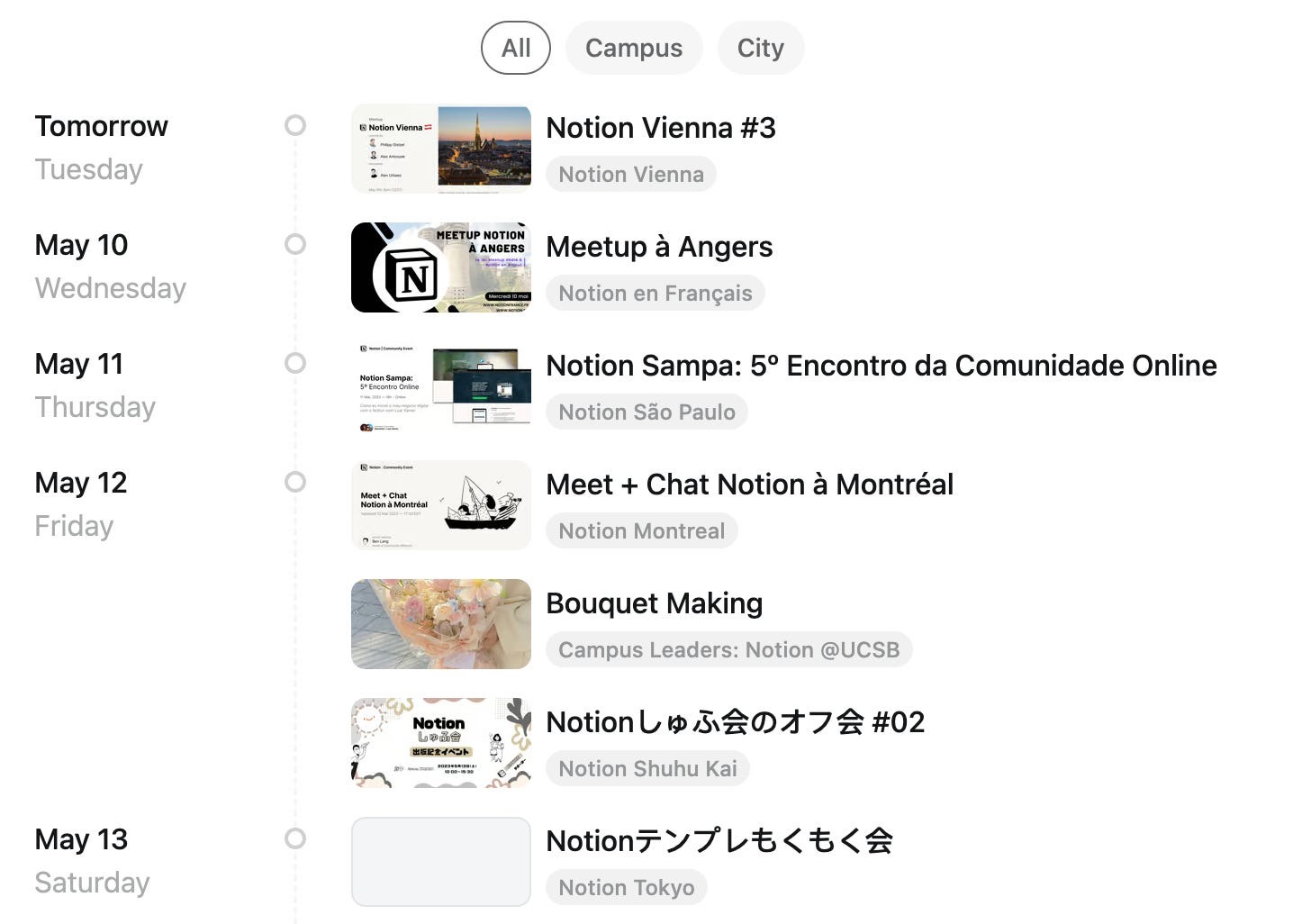
Strong community branding also creates rituals, culture, and belonging that survive external changes.
You might redesign your platform, shift your content focus, or bring in new moderators. Members with deep brand connections adapt because they’re invested in the underlying identity, not just surface features.
This perpetual quality means you’re building a long-term asset, not just managing an engagement channel. Communities with weak branding require constant feeding: new content, new campaigns, new incentives. Communities with strong branding develop their own momentum through member-driven culture that aligns with your brand values.
Actionable Ways to Build a Recognizable Brand in Your Niche
Building distinctive community branding requires intention across multiple touchpoints. Here’s how to create recognition and resonance in your specific niche.
Define Your Brand Purpose Beyond Content
Ask yourself why your community exists beyond being a place to share information.
What worldview does it represent? What values unite members? Your purpose becomes your North Star for every branding decision.
A fitness community might exist to help busy parents reclaim their health without guilt or extremes.
A developer community might exist to prove that technical excellence and human-centered design aren’t contradictory. Your purpose shapes everything from the language you use to the types of achievements you celebrate.
Craft a Consistent Voice
Your community branding lives in how you communicate. Are you educational and thoughtful? Empowering and direct? Witty and irreverent? Warm and supportive?
This voice should remain consistent across all communications: welcome messages, discussion prompts, email newsletters, social posts, and moderation responses. When members can recognize your tone without seeing your logo, you’ve built real voice equity.
Document your voice with specific examples. Create a guide showing how you would phrase common scenarios differently than generic communities in your space. This becomes training material for any team members who represent your community.
Maintain Visual Coherence
Visual consistency across all touchpoints reinforces community branding. Choose colors, fonts, and imagery styles that align with your brand purpose, then use them religiously.
This extends beyond your main platform. Your email templates, social graphics, event presentations, and member resources should all feel like they come from the same family. When someone encounters your content in their inbox or social feed, they should recognize it immediately.
Visual coherence doesn’t mean boring uniformity. It means establishing a clear visual language with room for creativity within defined parameters.
Amplify Member Storytelling
The most powerful community branding comes from members themselves. Encourage members to share success stories, transformation journeys, or valuable lessons that reflect your community values.
These stories do double duty. They provide proof of your community’s impact while reinforcing the identity and culture you’re building. Feature member stories prominently in newsletters, on your community homepage, or during events. Make storytelling a regular ritual rather than an occasional feature.
Ritualize Engagement
Weekly or monthly rituals create predictable touchpoints that strengthen community branding. “Win Wednesdays” where members share recent successes. “Ask Me Anything Fridays” with experts. Monthly challenges tied to your core values.
These rituals become part of your brand identity. Members anticipate them, plan around them, and feel like they’re missing something when they can’t participate. Over time, the rituals themselves become synonymous with your community.
Create Branded Experiences
Small branded touches create memorable moments that reinforce identity. Welcome kits for new members with branded stickers or guides. Custom badges or titles that reflect achievements aligned with your values. Event themes that feel distinctly “you.”
These experiences give members tangible connections to your brand. A welcome kit isn’t just practical information; it’s a statement that joining your community means something. Custom badges aren’t just gamification; they’re identity markers members display with pride.
Reflect and Adapt While Staying Consistent
Community branding should evolve based on member feedback and changing needs, but your core identity remains stable. Gather input through surveys, informal conversations, and observation of how members talk about your community.
Adaptation might mean updating your visual style to feel more modern or adjusting your voice to be more inclusive. It doesn’t mean abandoning your fundamental purpose or values. The best brands evolve their expression while maintaining their essence.
Community Branding Examples and The Lessons You Should Take
Real-world communities demonstrate how effective branding creates lasting impact. Here’s what we can learn from their approaches.
Notion: Consistency Builds Authority
Notion’s community mirrors its product philosophy: clean, intentional, user-first. The visual minimalism extends from their app interface to community spaces, documentation, and user-generated content.
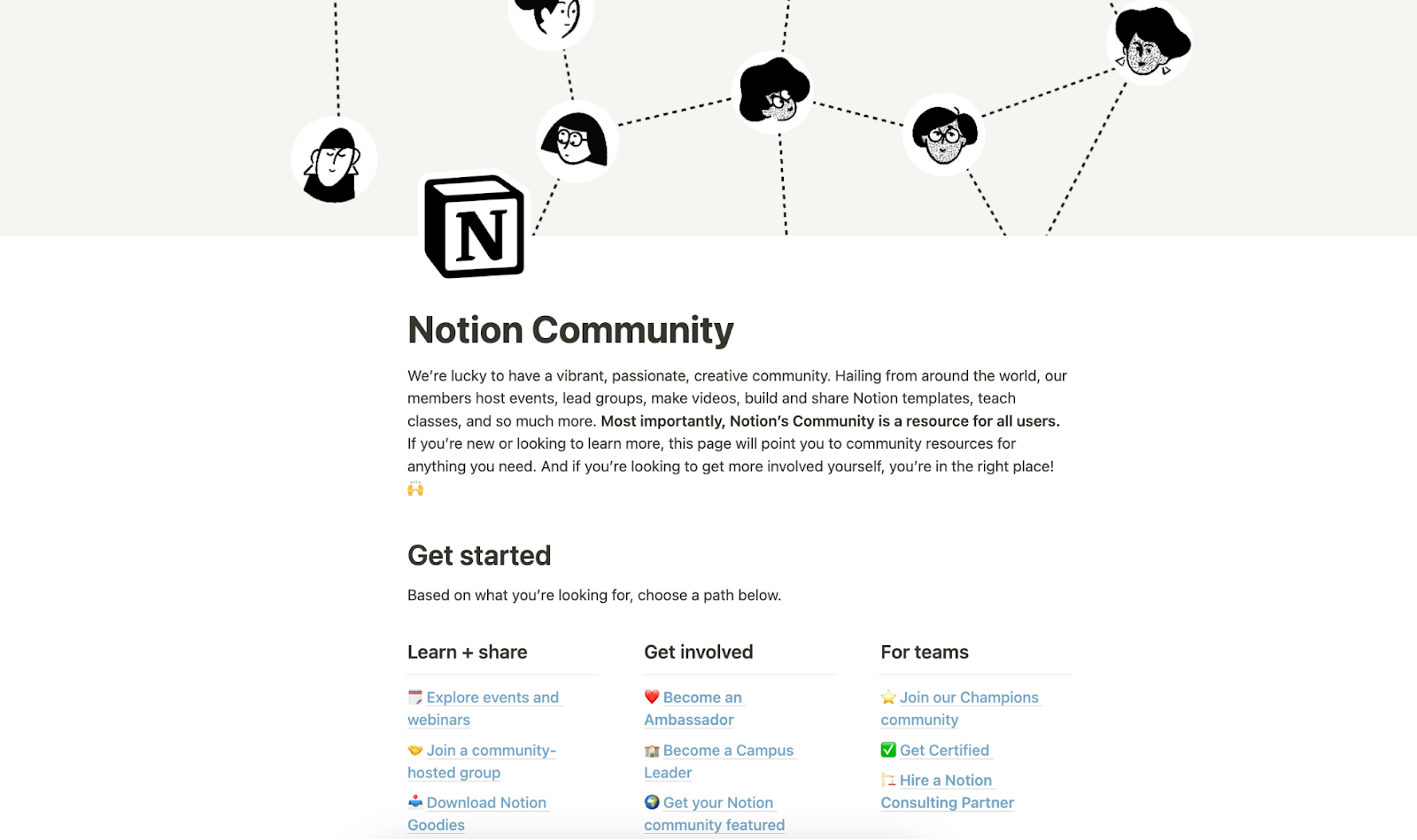
Their community branding emphasizes creativity and beautiful systems, attracting members who see organization as both functional and aesthetic.
The lesson here is that alignment between product and community creates authenticity. Members don’t experience dissonance between what Notion promises and what the community delivers. Every touchpoint reinforces the same brand values, building cumulative authority over time.
Duolingo: Personality Drives Engagement
Duolingo transformed language learning through playful community branding centered on their green mascot and encouraging tone.
Users don’t just learn vocabulary; they become part of Duo’s story. The brand personality makes potentially tedious learning feel like an adventure with a quirky friend.
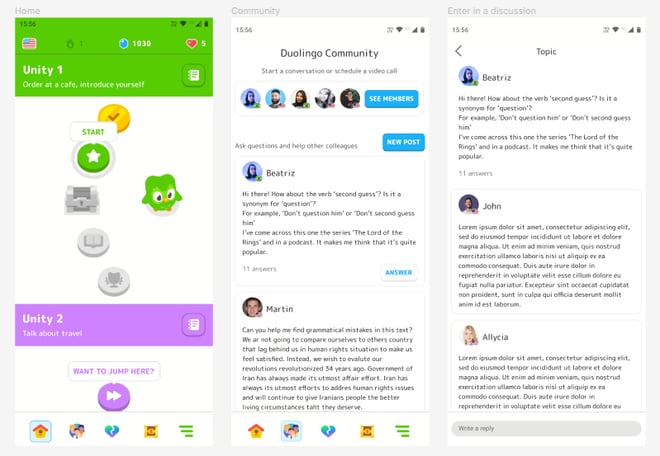
This demonstrates how distinctive personality cuts through competitive noise. Dozens of language learning apps exist, but Duolingo’s brand makes users feel emotionally different about their choice. They share Duo memes, jokes about streak anxiety, and feel part of a recognizable culture.
LEGO Ideas Community: Empowerment Builds Loyalty
LEGO Ideas allows community members to submit designs and vote on which sets get produced.
Successful designers receive credit and a percentage of sales. This community branding approach centers on co-ownership and creative empowerment.
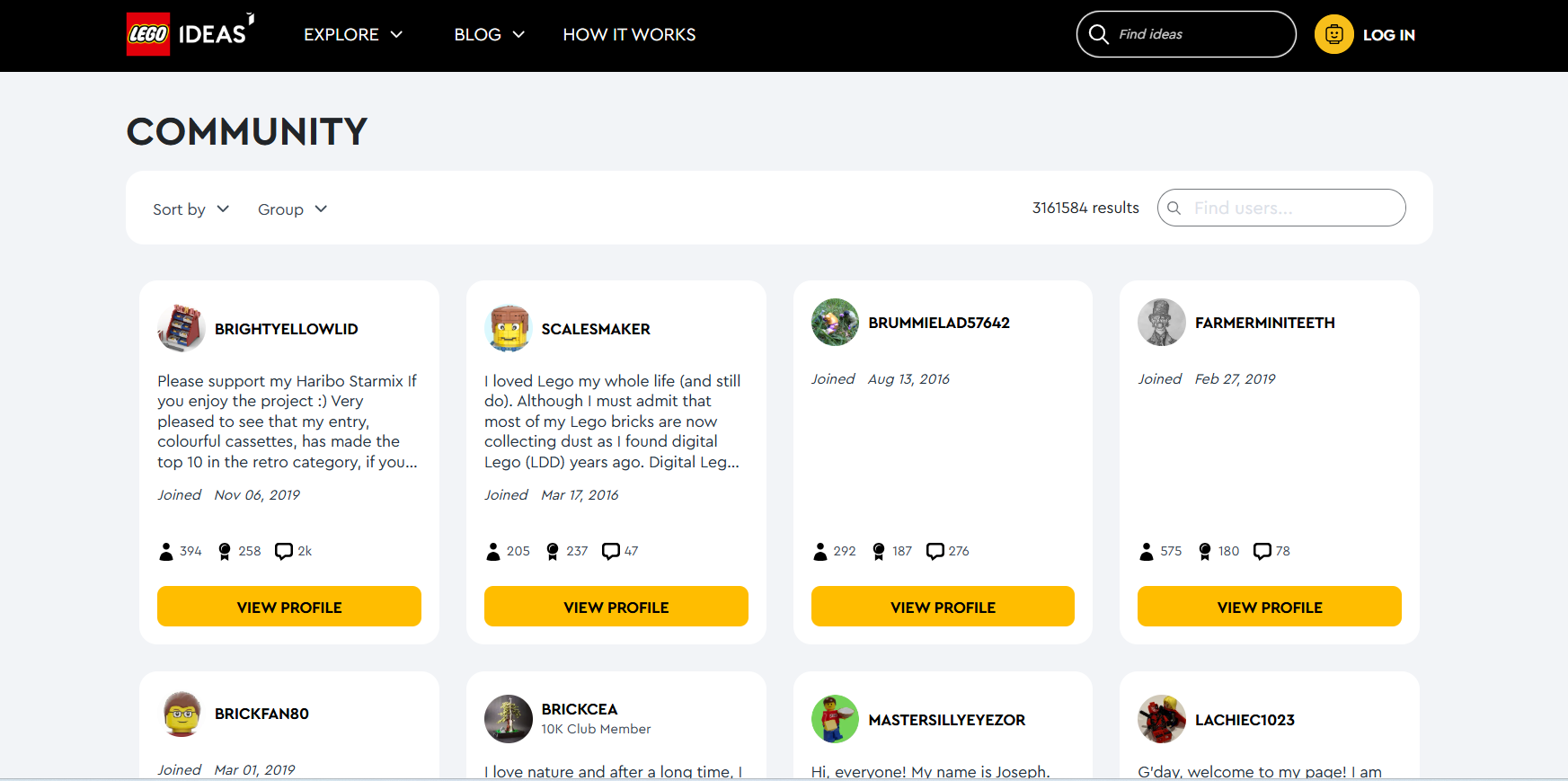
The lesson is that giving members real influence over your brand creates deep investment. LEGO users aren’t just customers or fans; they’re potential creators whose ideas might become official products. This transforms the relationship from consumption to collaboration, strengthening brand loyalty exponentially.
BuddyBoss Community: Flexibility Within Consistency
BuddyBoss enables creators to build fully branded community spaces while maintaining platform reliability.
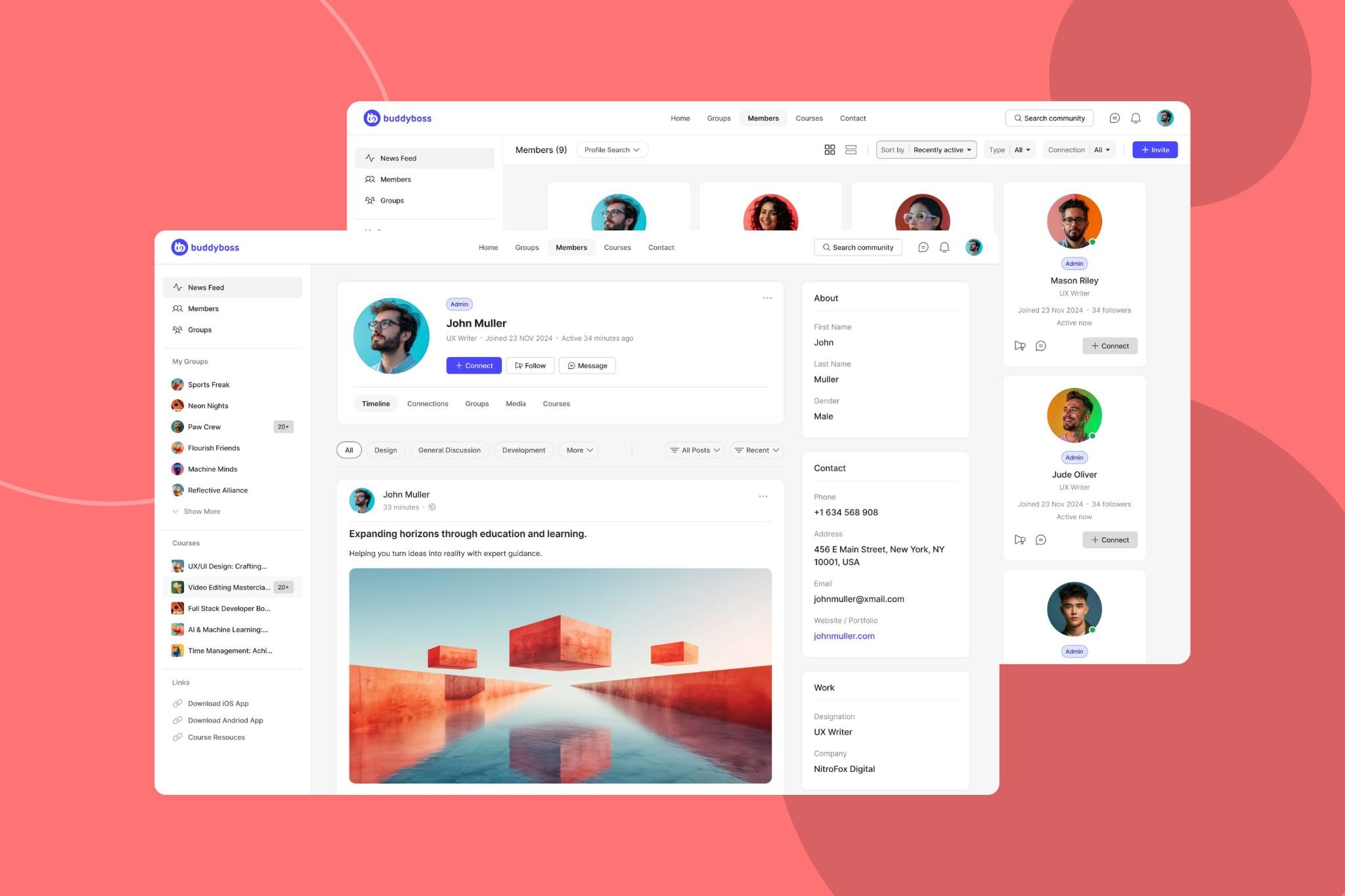
Rather than forcing all communities into identical templates, BuddyBoss provides customization tools that let each community express its unique identity.
This teaches us that platform-level community branding can enhance rather than restrict individual brand expression. The framework provides consistency and quality while giving creators control over the elements that matter most for their specific brand identity.
Maintaining Brand Consistency as You Scale
Growth creates branding challenges. As your community expands, you’ll add moderators, create subgroups, and delegate communication. Without systems, these changes dilute the distinctive identity you’ve built.
Multiple people representing your community means multiple interpretations of your voice and values. One moderator might be overly formal while another becomes too casual. Visual materials created by different team members might clash stylistically. These inconsistencies confuse members and weaken community branding.
Prevent this through clear documentation and accessible tools. Create comprehensive brand guidelines that cover voice, visuals, and values. Include specific examples of approved and discouraged communication styles. Show how to handle common scenarios in ways that reinforce your brand.
Provide templates for frequent needs: discussion prompts, welcome messages, event announcements, graphics. Templates ensure consistency while saving time. Update them periodically based on what works, but maintain the core elements that make your brand recognizable.
Automate where possible: If you’re using platforms like BuddyBoss, customize themes and notification templates to maintain visual consistency across automated communications. Use tools like Canva for branded graphic templates or Notion for internal brand guides that evolve with your community.
Regular training for community managers ensures everyone understands not just what to do, but why. Help them internalize your brand purpose and values so they can make aligned decisions even in unprecedented situations.
How BuddyBoss Supports Community Branding
Platform choice significantly impacts your ability to build and maintain strong community branding. Generic platforms force your community into predetermined templates that look and feel like everyone else’s. This undermines the distinctiveness you need to stand out.
BuddyBoss provides a fully white-label experience, giving you complete control over your brand presentation. Members experience your community as an extension of your brand, not a third-party platform they’re visiting.
You can customize themes, typography, and logos to align perfectly with your existing brand identity. Whether your brand is minimalist and modern or bold and energetic, BuddyBoss adapts to your vision rather than forcing you to adapt to platform constraints.
Branded communication tools extend your identity into every interaction. Activity feeds, private groups, direct messages, and notifications all carry your visual identity and voice.
Members never leave your branded experience, strengthening their emotional connection to your community.
This level of customization matters because community branding succeeds when every touchpoint reinforces the same identity. Inconsistent experiences, where your website looks professional but your community feels generic, create cognitive dissonance that weakens trust and reduces emotional investment.
BuddyBoss also allows you to create branded mobile apps, extending your community identity to platforms where members spend most of their time. Your community becomes an icon on their home screen, a constant reminder of the brand and values you represent.
FAQs on Community Branding
What are some examples of powerful brand communities?
Brands like Apple, LEGO, Notion, Duolingo, and Peloton all have passionate communities built around shared identity, creative collaboration, and consistent brand experiences. These groups drive organic growth and strengthen brand loyalty.
How do I start building my own brand community?
Begin by defining your community’s purpose, establishing a consistent voice and visual identity, and inviting members to share stories. Regular rituals, branded experiences, and member empowerment are key elements of strong brand communities.
What platform features help with community branding?
Look for platforms that allow white-label customization, custom themes, branded communications (like BuddyBoss), and built-in tools for storytelling and engagement. These features let your brand be front and center across all member touchpoints
Branding Is the Soul of Belonging
Branding is what sets your community apart and builds long-lasting belonging. Strong brand communities create loyalty, advocacy, and organic growth, giving members something meaningful to connect with even when they’re not active every day.
Invest in your community brand, and you’ll build a foundation that sustains engagement and makes your space unforgettable.
Ready to build your brand-driven community? Explore BuddyBoss plans and see how you can create a community that looks, feels, and sounds unmistakably like you.

-
 Article
 Article
- Creating Online Community Content
- Growing Your Online Community