Online communities have become the cornerstone of digital engagement in 2025 and beyond.
Discord communities boast over 200 million active users monthly.
Reddit’s community-driven model continues attracting billions of interactions.
Slack workspaces power collaboration for millions of teams worldwide.
The message is crystal and clear: building communities isn’t just a trend but it’s essential for business growth, education, and meaningful connection.
Yet behind every successful online community lies a critical decision that shapes its long-term viability: choosing the right platform foundation.
The WordPress vs SaaS for community building debate extends far beyond initial pricing sheets. Hidden costs, scalability challenges, and long-term strategic implications can make or break community investments.
This analysis reveals the true financial picture of both approaches, examining not just obvious expenses but the subtle costs that emerge as communities grow from dozens to thousands of engaged members.
Why Platform Choice Defines Your Community’s Growth Path
Community platform decisions create cascading effects that compound over time. Your choice determines not just immediate costs but long-term ownership, scalability potential, and strategic flexibility as your community evolves.
The Three Critical Pillars:
Ownership and Control: Who ultimately controls your community data, member relationships, and platform features? SaaS platforms retain ownership while WordPress gives you complete control.
Cost Predictability: Do expenses scale linearly with actual resource usage, or do artificial limits and percentage fees create exponential cost increases?
Growth Flexibility: Can your platform accommodate unique features, specialized integrations, and custom branding as your community matures and develops specific needs?
Understanding these pillars reveals why the WordPress vs SaaS for community building decision shapes everything from monthly budgets to exit strategy options.
A Quick Comparison of WordPress vs SaaS for Community Building
The WordPress vs SaaS for community building decision fundamentally shapes your community’s long-term trajectory, affecting everything from monthly costs to strategic flexibility.
This choice determines whether you’re building a valuable business asset or paying rent for features you don’t control.
Ownership and Control: The Foundation Difference
WordPress Community Ownership: WordPress installations provide complete platform control. You own the server files, database, member information, and community content. This ownership enables data export, platform migration, custom feature development, and even selling your community as a business asset. Changes happen on your timeline, not a vendor’s schedule.
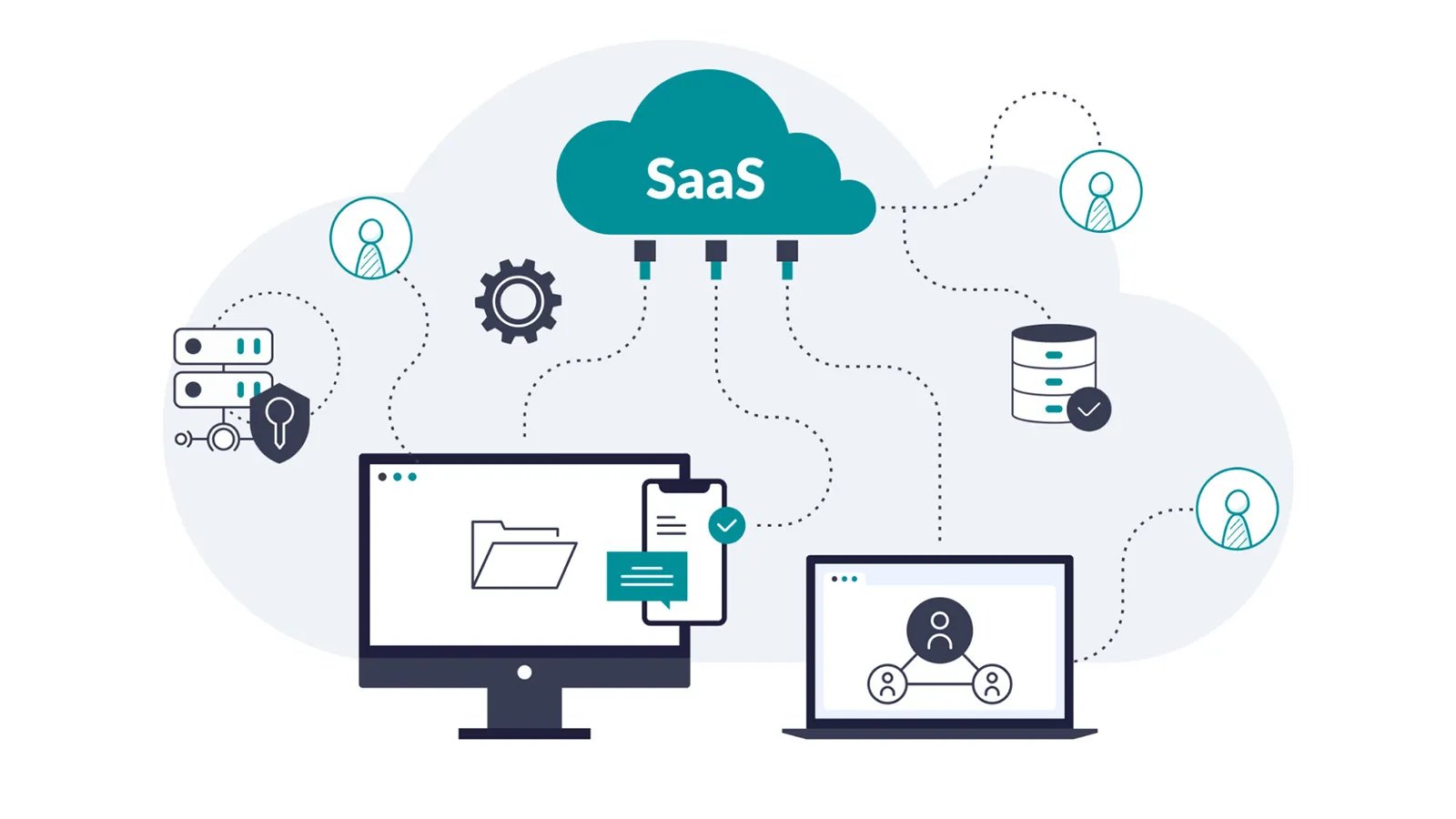
SaaS Platform Dependency: SaaS communities exist within vendor-controlled environments. Circle, Mighty Networks, or Tribe can modify features, change pricing, or discontinue services regardless of your community’s needs. While this eliminates technical responsibilities, it creates strategic vulnerability to decisions outside your control.
Cost Structure: Predictable vs Escalating
WordPress Cost Predictability: WordPress has mostly fixed costs that grow gradually with usage, such as hosting and annual plugin fees. For example, hosting for 1,000 to 10,000 members might cost $35 to $75 monthly, manageable and proportional.
SaaS Cost Escalation: SaaS pricing is tied to member tiers and features, causing sudden jumps. Costs can double or triple quickly, with added transaction fees that increase as your community grows.
Technical Requirements: Complexity vs Convenience
WordPress Technical Investment: WordPress communities require hosting setup, security management, plugin coordination, and ongoing maintenance. While this demands technical knowledge or professional support, it provides unlimited customization potential and prevents vendor lock-in situations.
SaaS Simplicity Trade-offs: SaaS platforms handle technical infrastructure, security, and maintenance automatically. This convenience appeals to non-technical founders but restricts customization options.
Scalability: Linear vs Exponential Growth Costs
WordPress Scalable Architecture: WordPress grows with your community through hosting upgrades and performance tuning. Costs rise gradually, and larger communities often benefit from reduced per-member expenses.
SaaS Scaling Penalties: SaaS pricing increases sharply with member tiers and feature limits, meaning successful communities face higher costs just as they grow most valuable.
Feature Development: Unlimited vs Restricted
WordPress Flexibility: WordPress ecosystems support virtually any community feature through plugins, custom development, or third-party integrations. Need specialized functionality? WordPress makes it possible without vendor approval or premium plan requirements.
SaaS Feature Limitations: SaaS platforms provide curated feature sets designed for broad appeal rather than specific needs. Unique requirements often require expensive enterprise plans or remain impossible within platform constraints.
Data Portability: Freedom vs Lock-in
WordPress Migration Freedom: WordPress communities can switch hosting providers, change platforms, or integrate with new services without data loss. Member information, content history, and interaction data remain accessible in standard formats.
SaaS Migration Challenges: Exporting community data from SaaS platforms ranges from difficult to impossible. Proprietary formats, limited export options, and integration restrictions create effective vendor lock-in that becomes more expensive to escape as communities mature.
WordPress with BuddyBoss: The Smarter Long-Term Investment for Community Building
WordPress with BuddyBoss provides the control, flexibility, and cost predictability needed for serious community building without the escalating expenses and restrictions that plague SaaS platforms.
1. Complete Ownership and Control
Your Data, Your Rules: WordPress communities own all member information, content, and interaction data completely. Export everything, analyze patterns, or migrate platforms without restrictions or proprietary format limitations.
Platform Independence: Host your community wherever performance and costs make sense. Switch hosting providers, upgrade resources, or implement custom security measures based on your specific needs rather than vendor limitations.
Strategic Asset Value: WordPress communities become valuable business assets that can be sold, franchised, or scaled without platform dependency. Your community investment builds equity rather than ongoing rental payments.
2. Predictable, Scalable Costs
| Cost Category | WordPress and BuddyBoss | SaaS Platforms |
| Initial Setup | $299 (BuddyBoss platform + theme) | $0-200 (templates, setup) |
| Monthly Base Fee | $15-$75 (hosting, scales with traffic) | $99-499+ (platform charge, scales with members) |
| Transaction Fees | Free | 5-10% (platform + processing) |
| Additional Features | $0-$400 (for advance tools) | Often impossible or $200+/mo |
| Total Year 1 | $600-$2000+ | $1200-$5,000+ |
Please Note: This above comparison shows the different costs after analyzing and reviewing the actual platform. These prices do not decide your end goal with a Platform.
Linear Cost Scaling: WordPress hosting costs increase gradually with actual resource usage. A community growing from 1,000 to 10,000 members might see hosting costs rise from $35 to $75 monthly, predictable and proportional to value created.
No Artificial Limits: BuddyBoss doesn’t restrict member counts, storage usage, or feature access based on pricing tiers. Your community’s growth isn’t penalized by arbitrary platform limitations designed to force upgrades.
Investment Protection: WordPress development and BuddyBoss customizations become permanent community assets. Unlike SaaS platforms where cancelled subscriptions eliminate all functionality, WordPress investments improve your community permanently.
3. Unlimited Flexibility with BuddyBoss
Comprehensive Community Features: BuddyBoss provides member profiles, activity feeds, private messaging, groups, forums, course integration, and mobile apps, eliminating the plugin hunting and compatibility issues that traditionally complicated WordPress community building.
Native Mobile Applications: BuddyBoss includes white-label iOS and Android apps that mirror your website’s functionality and branding. Members get native mobile experiences without expensive custom app development.
Learning Management Integration: Seamless LearnDash and LifterLMS compatibility transforms communities into social learning environments where course discussions, peer support, and instructor interaction happen naturally within the community platform.
Advanced Customization Options: WordPress themes, plugins, and custom development enable any conceivable community feature. Need specialized member verification? Custom gamification systems? Industry-specific integrations? WordPress makes everything possible.
The BuddyBoss Advantage: WordPress Power, SaaS Polish
BuddyBoss eliminates the traditional complexity of WordPress community building while preserving all the platform’s flexibility and cost advantages.
All-in-One Community Solution
Instead of piecing together multiple plugins with potential compatibility issues, BuddyBoss provides integrated social networking, learning management, and community engagement features in one cohesive package.
Professional Design Out-of-the-Box
BuddyBoss themes offer modern, mobile-responsive designs that rival premium SaaS platforms while maintaining complete customization flexibility for unique branding requirements.
Scalable Architecture
Built for communities ranging from hundreds to hundreds of thousands of members, BuddyBoss maintains performance and functionality as your community grows without requiring platform migrations or architectural overhauls.
Developer-Friendly Ecosystem
Extensive documentation, hooks, and customization options enable unlimited expansion while maintaining update compatibility and platform stability.
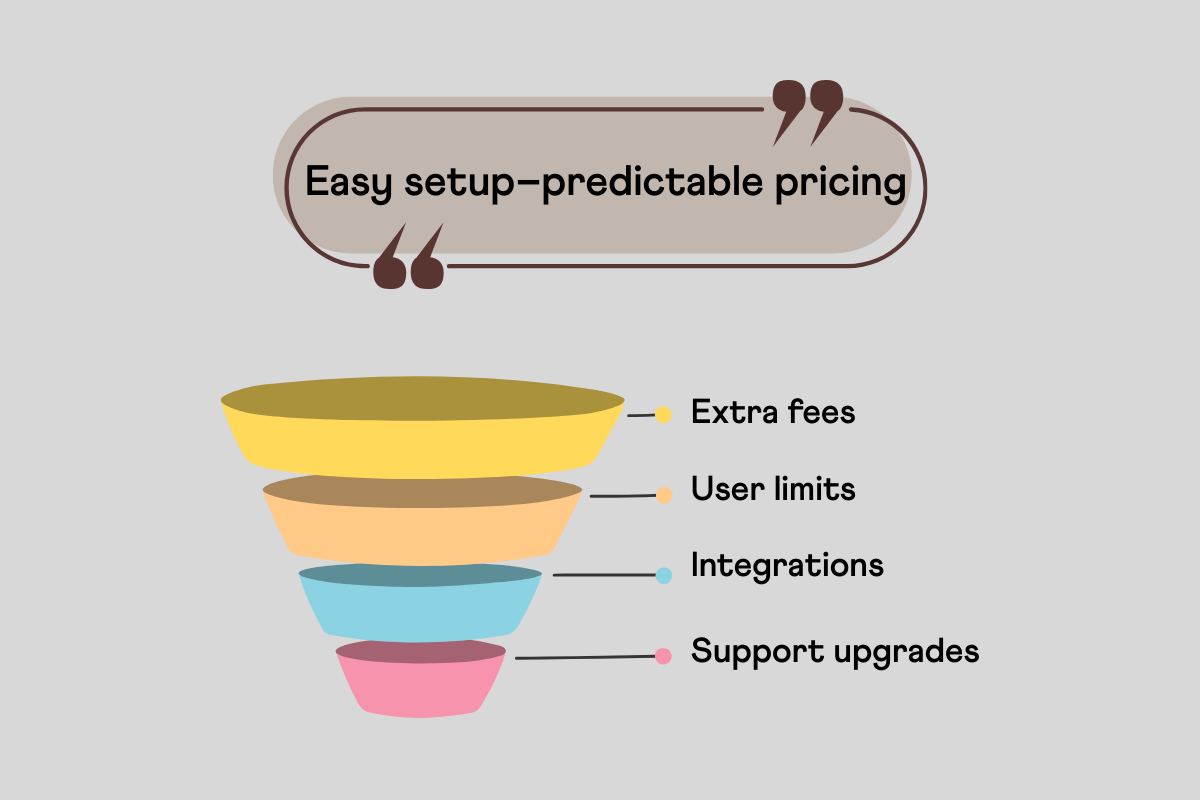
SaaS Platforms Look Easy- But Costs Balloon Quickly
SaaS community platforms attract founders with promises of rapid deployment and predictable pricing. However, the reality reveals escalating costs, restrictive limitations, and vendor dependency that becomes expensive as communities succeed.
1. The SaaS Cost Escalation Reality
Member Count Pricing Traps: Circle charges $99 monthly for up to 1,000 members, jumping to $219 monthly for 10,000 members, a 220% increase. Mighty Networks follows similar patterns, with pricing tiers that sometimes punish growth success.
Transaction Fee Compound Pain: Most SaaS platforms charge 2-8% transaction fees on top of payment processing costs. A community generating $10,000 monthly in membership or course sales faces $200-800 monthly in platform fees alone, costs that grow directly with success.
Feature Upgrade Requirements: Basic SaaS plans restrict essential features like custom branding, advanced moderation, or detailed analytics. Accessing full functionality requires premium upgrades that often double or triple monthly costs.
2. SaaS Platform Limitations That Restrict Growth
Rigid Customization Boundaries: SaaS platforms offer template-based customization within predefined limits. Your community looks similar to thousands of others using the same platform, limiting brand differentiation and unique member experiences.
Integration Restrictions: Adding specialized functionality requires platform approval and often involves expensive enterprise plans. Custom integrations with existing business systems become impossible or prohibitively costly.
Data Portability Concerns: Member information, discussion history, and community content remain locked in proprietary formats. Switching platforms risks data loss and relationship disruption, creating effective vendor lock-in.
Scalability Walls: SaaS platforms impose artificial limits on storage, features, or functionality based on pricing tiers rather than actual resource usage, forcing expensive upgrades even when communities could operate efficiently at lower costs.
The Clear Choice for 2025 Community Building
The WordPress vs SaaS for community building analysis reveals that SaaS platforms serve primarily as expensive testing grounds that become cost-prohibitive as communities succeed. While SaaS might help validate concepts quickly, any serious, lasting community benefits significantly from WordPress + BuddyBoss advantages.
For Community-Driven Business Growth: WordPress with BuddyBoss provides the ownership, flexibility, and cost structure needed to build valuable community assets rather than expensive platform dependencies.
For Long-Term Success: Communities that survive and thrive require platforms that scale cost-effectively while providing unlimited customization potential capabilities that only WordPress delivers.
For Strategic Value: WordPress communities become business assets that appreciate over time, while SaaS communities remain ongoing expenses that increase with success.
WordPress vs SaaS for Community Building: Follow the Smart Way
Stop paying escalating SaaS fees that penalize your community’s growth. WordPress + BuddyBoss provides the professional features, mobile capabilities, and scalability you need without the vendor dependency and cost escalation that limit SaaS platforms.
Ready to build a community that scales profitably?
Try the BuddyBoss demo today and see how WordPress community building combines platform control with professional polish
Or get BuddyBoss now and start building your community asset immediately.


 Article