Most community builders approach their projects with overwhelming optimism and a dangerous assumption: if you build it, they will come.
This fantasy has led to many failed projects and abandoned communities.
Studies show that approximately 31% of online communities fail due to lack of support, and 24% collapse due to poor engagement. The truth is, without solid strategy and active engagement, most online communities don’t last long.
While timing and luck can play some role, the biggest differentiator is how well leaders apply core principles of human connection.
It’s all about understanding the fundamental principles that drive human connection in digital spaces and being mindful of the common challenges that can hold a community back.
Explore BuddyBoss Web Platform and Mobile app to build your dream community and ensure lasting success.
The Overarching Challenge: Why Online Communities Fail
Building an online community is full of promise but the path is riddled with challenges. Understanding the core reasons why many communities struggle is the first step to creating one that truly thrives and lasts.
Common Pitfalls and Misconceptions
Many founders mistakenly believe that simply launching a platform will spark immediate activity. However, successful communities require ongoing leadership, consistent content, and active facilitation.
However, thriving communities need ongoing care, active leadership, and consistent value. Without visible leaders, engagement drops, signaling a lack of commitment.
Another common pitfall is underestimating the time and resources needed beyond platform costs content creation, support, and event planning require significant effort. This often leads to burnout and community abandonment.
Duplicating popular social media features without delivering unique value often produces generic communities struggling to engage members. Complex designs and unclear purposes can also deter potential participants before they get involved.
Fundamental Errors in Community Design
A major mistake is confusing a platform with a community platforms are tools, but communities are built on genuine relationships.
Without fostering real connections, even the best platform becomes a digital dead zone. True communities create belonging by focusing beyond shared interests to deeper values and aspirations that sustain engagement.
Communities must have a clear, specific purpose to guide interactions; vague goals lead to confusion and disengagement.
Overly brand-focused communities often struggle to retain members, since people seek value beyond marketing.
Successful communities understand their members deeply through ongoing research and adapt based on authentic feedback from community members.
Member-Centric Failures and Their Consequences
Neglecting member focus leads to poor service, irrelevant content, and features that prioritize the organization over members.
This causes reduced engagement and member loss. Ignoring member feedback creates an echo chamber, preventing the community from evolving with members’ needs.
Communities must continuously adapt by monitoring behavior and trends to stay relevant. Relying only on vanity metrics can blind leaders to deeper engagement needs within their community members, which risks disengagement.
Foundational Principles for Building a Thriving Community
Building a thriving community starts with a foundation of shared purpose, active participation, and mutual trust. The strongest communities are built by leaders who set clear goals, foster open communication, and encourage collaboration so every member feels valued and empowered. Below we discuss exactly that:-
1. Strategic Imperatives for Success
Start with a clear “why” that defines the problem your community solves and the value it offers members. This guiding purpose directs all decisions, from content to moderation and outreach.
Prioritize quality engagement over sheer numbers a smaller group of active, connected community members is more valuable than a large passive audience.
Maintain a strong focus on member needs, even if it requires tough choices like removing revenue features that confuse members or investing in support that fosters trust. This member-first mindset builds loyalty and advocacy.
Identify the core shared trait that binds your members whether a common struggle, goal, or worldview to focus your efforts and attract the right people.
Be selective about membership to ensure alignment with your core purpose, creating a cohesive and strong community.
2. Core Pillars of Community Structure
Core pillars of online community structure provide a framework for building sustained engagement and meaningful connections. These pillars include:
- Shared Purpose: The clear reason why the community exists, guiding all activities and member interactions.
- Meaningful Connections: Genuine relationships among members that create belonging and support.
- Consistent Value Delivery: Ongoing benefits and relevant content that keep members engaged and active.
Together, these pillars support each other to create a strong, resilient community foundation capable of growing and adapting over time. A well-structured community considers value proposition, clear guidelines, moderation, and member journeys to ensure lasting success and cohesion.
Fostering Member Engagement and Relationships
Fostering member engagement is at the heart of every successful community. People join groups to form real connections, learn, and contribute, so it’s important to make their first steps welcoming and their ongoing experience rewarding.
1. Strategic Onboarding and Member Buy-in
Effective onboarding turns new members into active participants by helping them understand community culture, find connections, and achieve early wins.
It goes beyond platform tutorials, introducing values, success stories, and clear engagement steps.
Getting members to “buy-in” involves encouraging small commitments like completing profiles or joining welcome discussions, building psychological investment over time.
Avoid overwhelming new members and ensure clear guidance and follow-up in the first 30 days to prevent negative first impressions.
2. Cultivating Meaningful Interactions
Meaningful community interactions need active leadership to prompt deeper discussions and model engagement.
Provide members with various ways to connect one-on-one, small groups, or projects based on their comfort and style.
Focus on fostering genuine engagement, which goes beyond activity metrics to include relationship building, knowledge sharing, and mutual support.
The Key to Meaningful Community Engagement to Prevent Failure
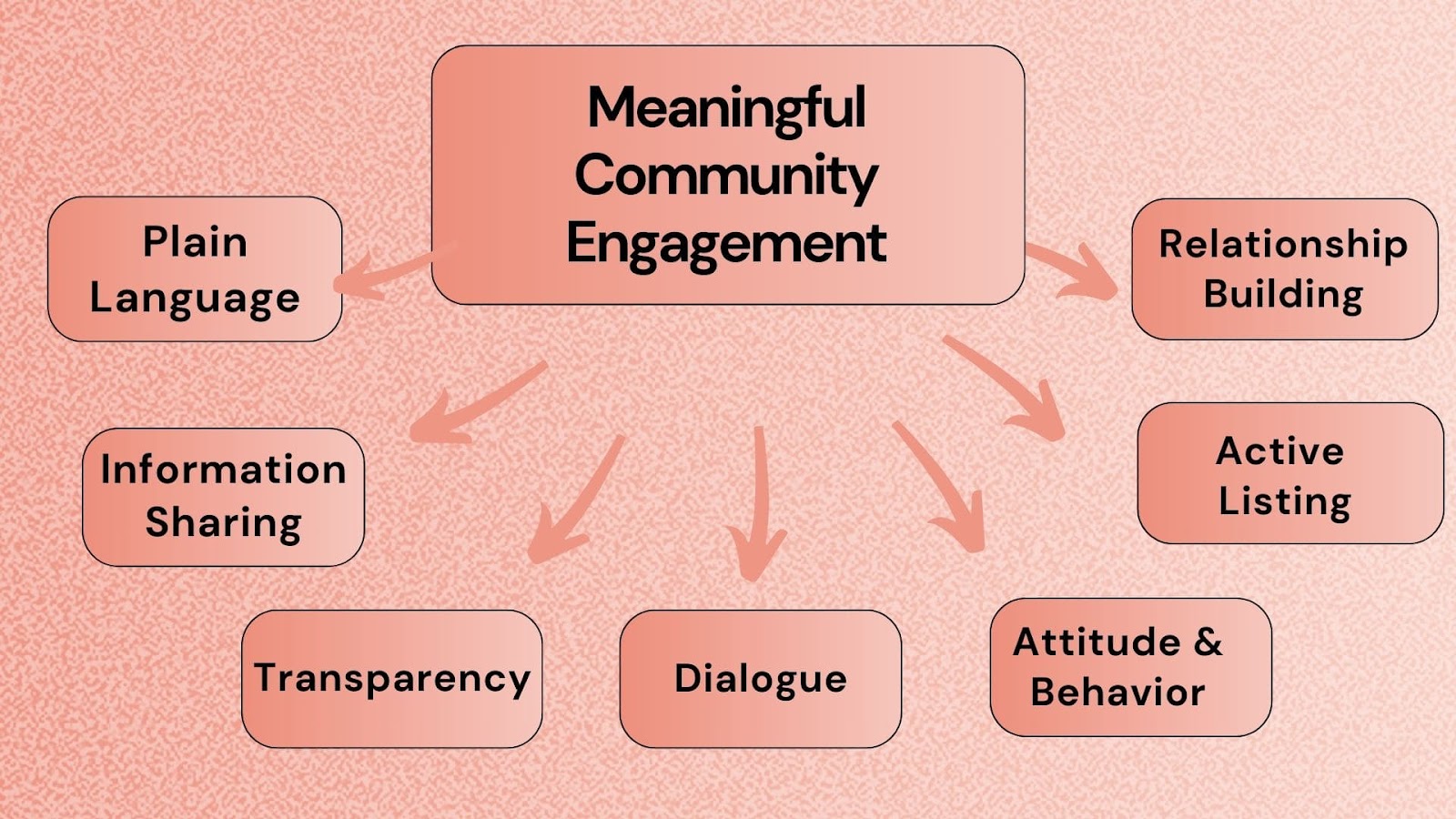
Successful communities start with a clear purpose that explains not just what the community does, but why it matters to members.
This purpose should be specific enough to guide decisions yet flexible for growth. Focus on transformation, helping members achieve meaningful change rather than just sharing information.
Avoid over-branding; prioritize member success over company metrics.
The best communities build loyalty by deeply understanding and addressing members’ real needs, including emotional support and skill development.
Continuously add value by listening to feedback, experimenting with formats, and providing resources like workshops and mentorship. Balance consistency with innovation to keep members engaged and make the community an essential part of their personal and professional growth.
Effective Community Management and Moderation
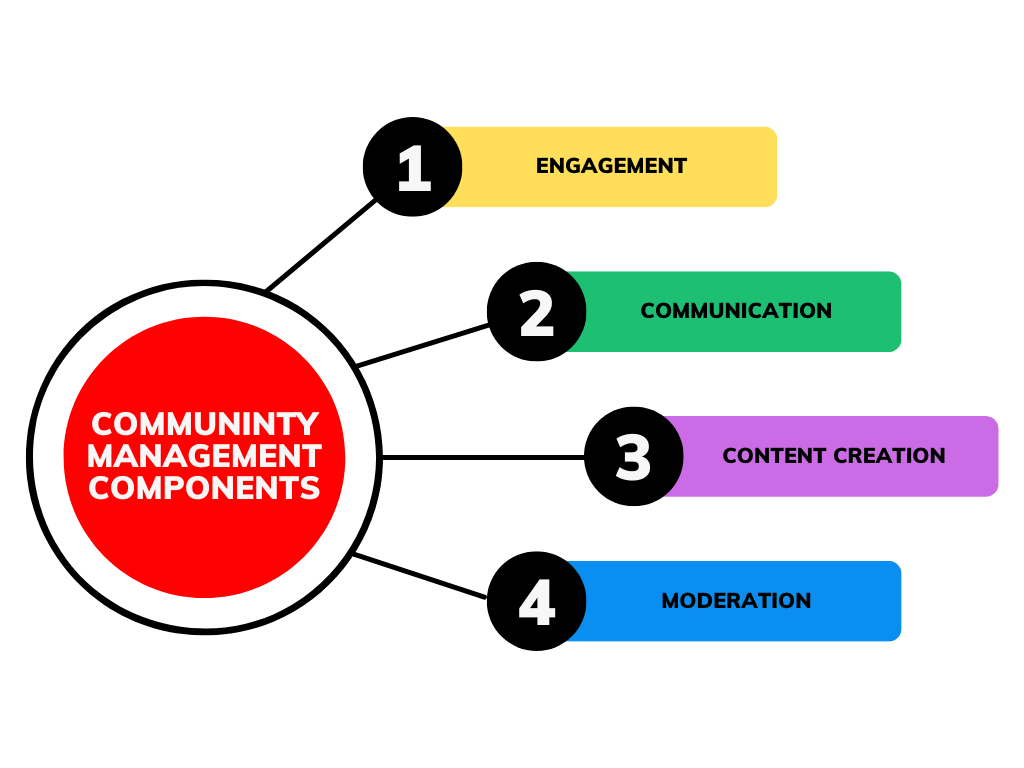
As discussed below, effective community management and moderation are essential for building safe, welcoming spaces where everyone can participate and thrive.
Ensuring Order and Safety
Effective moderation protects community health by enforcing clear guidelines, handling conflicts constructively, and fostering respectful participation. Moderators should be trained, supported, and empowered to maintain a safe environment where diverse views can be expressed respectfully.
Active community management goes beyond moderation, including member engagement, recognizing contributions, and addressing issues early. To avoid leadership gaps, develop multiple moderators and nurture potential leaders.
Supporting Host and Member Well-being
Prevent burnout by planning realistic resource allocation, setting boundaries, and building support systems. Make member interactions easy through intuitive design, clear communication, and responsive support to encourage participation.
Measuring Success and Sustaining Relevance
Measuring community success and staying relevant means looking beyond simple numbers. Focus on member connections, growth, and genuine engagement to understand what’s working. Combine solid data with real feedback so insights reflect true value.
Key Performance Indicators
Measuring community success means focusing on metrics that reflect true health, like member connections, knowledge sharing, retention, and goal achievement. Avoid vanity metrics such as total members or post counts, which don’t show genuine engagement.
Combine quantitative data with qualitative insights surveys, interviews, and observations to understand if activity represents real value. Effective KPIs highlight deep engagement and community impact beyond surface-level numbers.
Adapting to Member Needs
To keep communities relevant, regularly research member needs, watch industry trends, and be willing to evolve.
Balance consistent elements with new ideas that grow alongside members. Actively listen to feedback through surveys, focus groups, or direct conversations, and adapt visibly.
Community development is ongoing needs change as members and industries evolve, so continuous adaptation ensures lasting value and member retention.
How BuddyBoss Helps You Build Thriving Online Communities
Many communities struggle without the right tools and strategy. BuddyBoss provides a complete toolkit to address these common challenges.
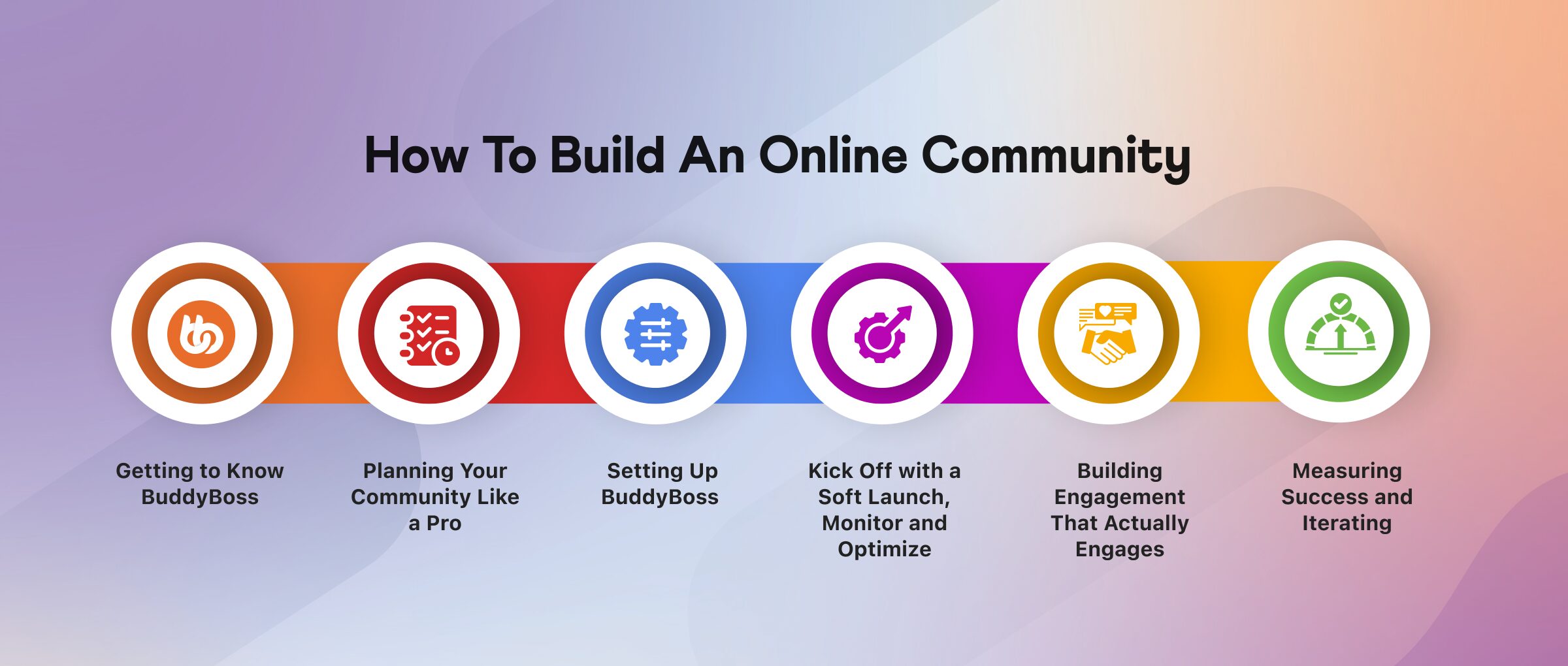
BuddyBoss includes core features such as user profiles, group spaces, forums, and live activity feeds built into the platform. Additional functionality like video meetings (Zoom), gamification (GamiPress), and monetization (WooCommerce) are available via integrations to expand your community’s capabilities.
Designed to scale with your hosting environment, BuddyBoss supports large communities, courses, groups, and forums; BuddyBoss is designed to scale flexibly with your hosting environment, supporting large communities when paired with the right server resources.
Its mobile-optimized design and native apps for iOS and Android ensure users stay connected anytime, anywhere. Plus, integrations with 100s of platforms, tools, plugins like e-commerce and membership management tools empower creators to monetize their communities sustainably.
View Pricing Plans
Get started with BuddyBoss today and build your thriving community!
FAQs on Why Online Communities Fail
Why do online communities fail, and how can we bring them back to life?
Communities fail when they lose clear purpose, fail to moderate well, and lack genuine member connections. To revive, listen to members, improve moderation, create engaging onboarding, host events, and encourage member-led discussions. Revival takes sustained effort and empowering members.
What factors contribute to success or failure?
Successful communities have clear purpose, strong moderation, active engagement, inclusivity, and consistent value. Failures in building a community arise from vague goals, poor moderation, toxic atmospheres, and low engagement among community members. Belonging and adaptability drive success.
How will you build and maintain a strong community?
Start with a focused purpose and target audience, set clear guidelines, recruit engaged early members, and provide structured onboarding. Maintain with quality content, member recognition, and continuous improvement based on feedback and data.
Why do people join online communities?
To connect with like-minded people, community members can share knowledge, collaborate on goals, access exclusive content, and find inspiration or support.
What are the benefits of creating a community?
Communities build brand loyalty, generate valuable feedback and content, improve customer support, and reveal insights for strategic decisions.
How to determine community success?
Track active participation, retention, organic leadership, member satisfaction, real-world impact, and strong member connections.
How do online communities compare to real-life ones?
Online communities connect diverse, geographically spread members with accessibility and anonymity benefits but can’t fully replace physical presence and immediate emotional support. Hybrid models combine strengths.
Examples of online communities creating real-life bonds?
Reddit meetups, tech Slack groups, hobbyist gatherings, and support groups often evolve into strong offline friendships and activities.
Have online communities helped members in crisis?
Yes. Members provide emotional, financial, and logistical support during personal or natural crises, strengthening community bonds.
How to attract new members?
Use valuable content marketing, referral incentives, partnerships, fresh events, and multi-platform presence.
Can students build communities?
Yes. Use focused purposes, existing platforms, hybrid online-offline approaches, and start with small engaged groups.
[source: https://bloggingx.com/online-community-statistics/]

-
 Article
 Article
- Building Your Online Community