Virtual communities have evolved into powerful platforms that foster connection, collaboration, and shared purpose no matter where people live.
If it’s a group of professionals sharing knowledge or hobbyists discussing their favorite games, virtual communities are shaping the way people interact in 2025.
But what exactly are virtual communities? How do you start one? More importantly, how do you grow one into a thriving space people actually want to engage in?
This guide will cover everything you need to know from the origins and types of virtual communities to practical steps for building and scaling one. Let’s dive in!
What Is a Virtual Community?
A virtual community is a group of people who interact with each other primarily through digital platforms, united by shared interests, goals, or activities.
Unlike physical communities, these exist entirely online, giving members the freedom to connect across geographic boundaries.
These communities can form around almost anything: games, books, entrepreneurship, wellness, coding, parenting, or even niche topics like vintage camera collecting.
Origin and Evolution of Virtual Communities
The concept of virtual communities dates back to the early days of the internet. Pioneers like Howard Rheingold coined the term in the 1980s, referring to online forums like The WELL.
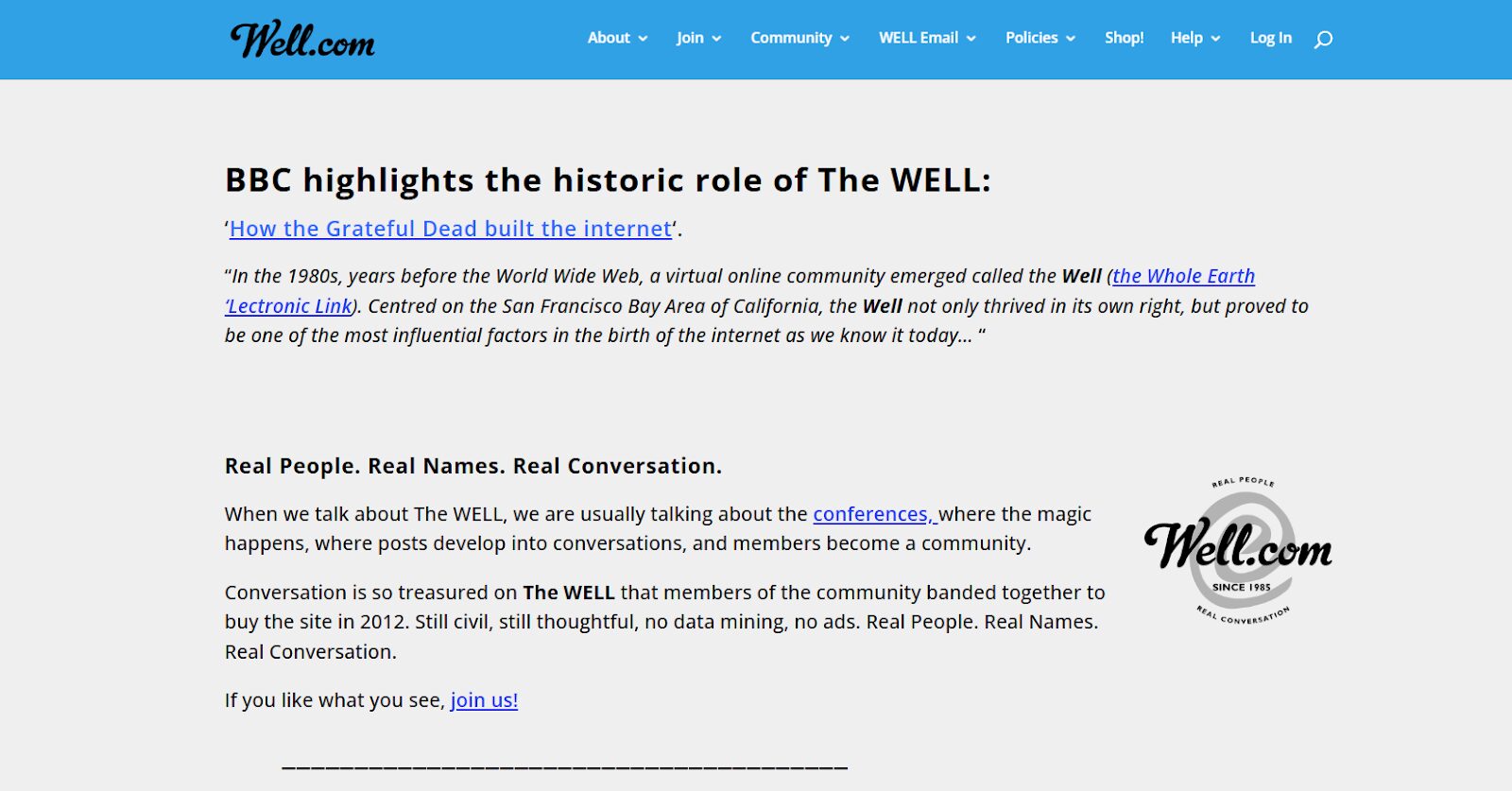
Over the decades, with the rise of social media, messaging apps, and niche forums, virtual communities have evolved to become sophisticated and deeply integrated into daily life.
By 2025, we’re seeing AI-moderated spaces, immersive VR communities, and more personalized engagement than ever before.
Types of Virtual Communities
There are various types of virtual communities, each with its own focus and goals. Understanding these can help you define what kind of community you want to build.
Interest-Based Virtual Communities
These communities are formed around shared hobbies or passions like photography, writing, or gaming. Reddit and Facebook Groups are popular examples.
Professional and Work-Based Communities
Platforms like Slack, Discord, or LinkedIn Groups host communities where professionals network, share ideas, and collaborate on projects.
Learning and Educational Communities
These include forums for online courses, skill-building groups, or mentorship platforms. Examples include Coursera forums and MasterClass groups.
Support and Advocacy-Based Communities
These communities focus on emotional or practical support such as mental health groups, chronic illness forums, or advocacy organizations.
Also Read: 10+ Types Of Online Communities For Networking And Engagement in 2025
Components and Structure of a Successful Virtual Community
Core Parts and Elements of a Virtual Community
Successful virtual communities share common elements:
| Component | Description |
| Purpose & Mission | A clear reason for the community’s existence; aligns members around shared goals. |
| Community Guidelines | Rules that define acceptable behavior, foster safety, and encourage engagement. |
| Defined Roles | Roles like moderators, admins, ambassadors, and content creators ensure structure and accountability. |
| Engagement Strategy | A plan for driving interaction events, discussions, polls, challenges, etc. |
| Content Framework | Regular, valuable content (posts, webinars, newsletters) to keep members informed and involved. |
| Onboarding Experience | A smooth process that helps new members understand the culture and get value quickly. |
| Feedback Loops | Systems for collecting and acting on member input to improve the community. |
| Recognition & Rewards | Ways to acknowledge top contributors through badges, shoutouts, or incentives. |
| Technology Platform | The tools used to host and manage the community (e.g., Circle, BuddyBoss, Discord). |
| Analytics & Metrics | KPIs like MAU, engagement rate, NPS, and referral tracking to measure success. |
Subscribe to our Newsletter, and we’ll send you the latest news from BuddyBoss
Why Virtual Communities Matter in 2025
Virtual communities have become essential digital ecosystems, redefining how people learn, collaborate, and connect across industries and cultures.
As remote work, digital learning, and decentralized networks continue to rise, virtual communities are not just supportive spaces but they’re strategic assets for individuals, brands, and organizations alike.
Benefits of Virtual Communities
1. Global Reach and Accessibility
Virtual communities eliminate geographic boundaries, enabling access to global talent, diverse ideas, and cross-cultural collaboration. Whether you’re hosting a mastermind group or leading a product forum, anyone with internet access can participate.
2. Stronger Brand Loyalty and Engagement
For businesses, a well-managed virtual community creates emotional stickiness. It turns customers into advocates and builds trust by offering space for ongoing dialogue, feedback, and value-driven interaction beyond transactions.
3. Peer-to-Peer Learning and Support
Communities empower members to learn from each other through shared experiences, mentorship, and problem-solving. This democratization of knowledge strengthens community bonds and accelerates individual growth.
4. Scalable Human Connection
Unlike in-person communities, virtual groups scale effortlessly. You can support thousands or even millions of members with the right tools, automation, and engagement strategy, all without physical infrastructure.
5. Real-Time Feedback and Innovation Loops
Communities serve as a live feedback engine, allowing brands to iterate quickly, spot trends early, and co-create solutions with their most engaged users.
Common Challenges and Disadvantages
1. Moderator Burnout and Resource Strain
As communities grow, so does the demand for moderation, conflict resolution, and content curation. Without support systems or tools, moderators can face fatigue and overwhelm.
2. Declining Engagement Over Time
Communities risk stagnation if they lack fresh content, evolving experiences, or clear incentives for participation. Keeping members consistently engaged requires intentional strategy.
3. Misinformation and Toxic Behavior
Without proper guidelines and moderation, misinformation can spread, and toxic behavior can erode trust especially in large, loosely governed spaces.
4. Platform Dependency Risks
Relying too heavily on third-party platforms (e.g., Facebook, Reddit) exposes communities to sudden algorithm changes, policy shifts, or even shutdowns putting community health at risk.
How to Start a Virtual Community From Scratch (With Checklist)
Building a virtual community from the ground up might sound intimidating but with the right structure, tools, and vision, it’s more achievable than ever in 2025.
This step-by-step checklist will guide you through everything from defining your community’s purpose to choosing the right platform, setting up roles, driving engagement, and measuring success.
Use it as your launchpad to turn an idea into an engaged, thriving online space that brings people together and adds value consistently.
Explore the checklist for Virtual Community–





If you’re thinking about building a virtual community from scratch, don’t overwhelm yourself with 10-step checklists or 20 tool comparisons. With the right platform, you can launch a fully functional, branded community in just a few weeks.
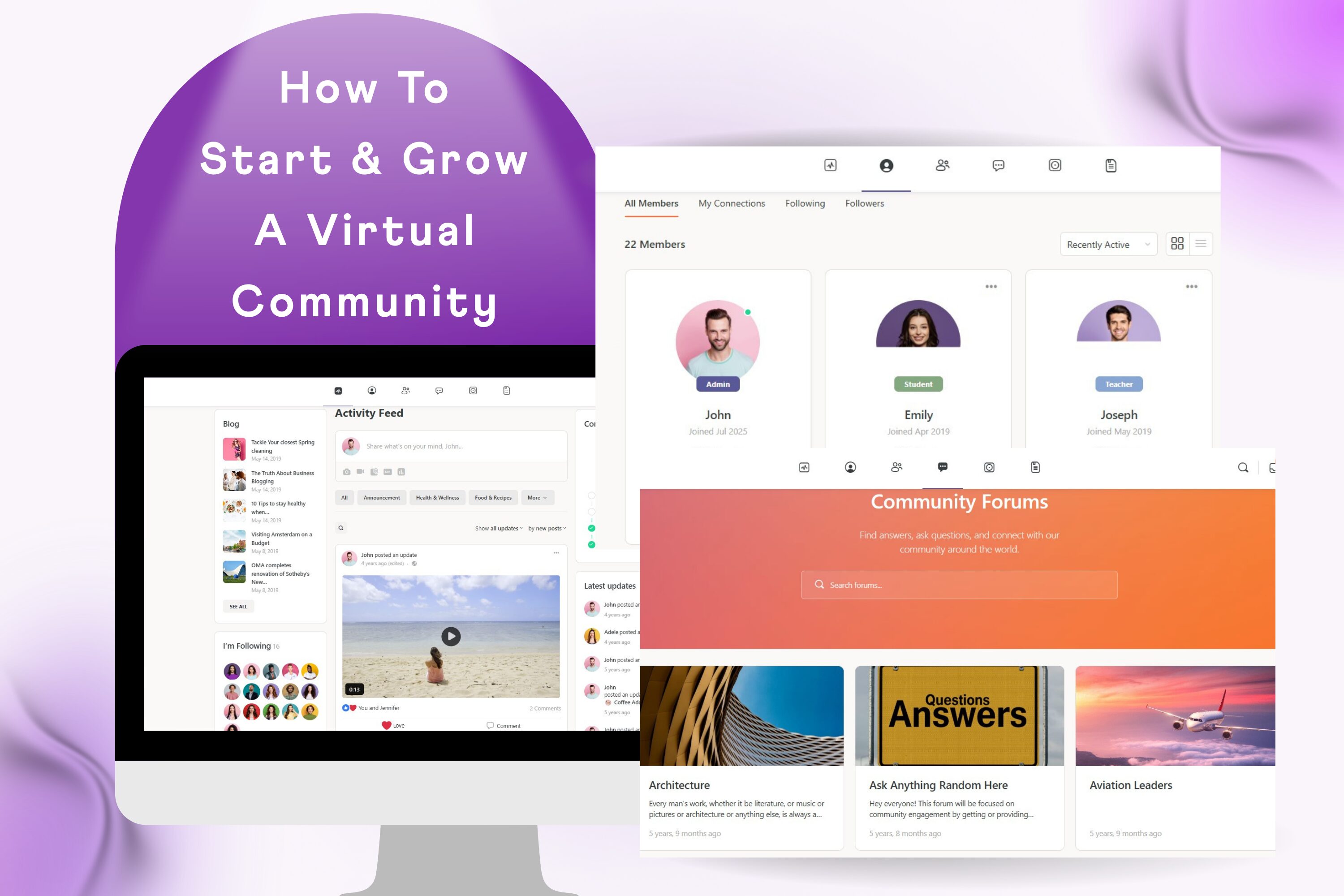
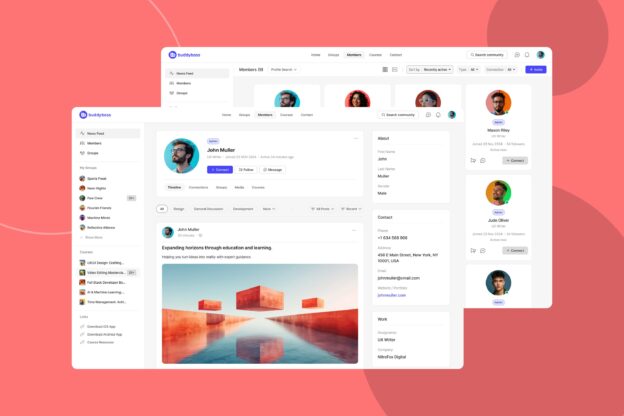
One of the best and most trusted platforms for this in 2025 is BuddyBoss. It’s built specifically for creators, educators, and brands that want full control over their community. With features like:
- Custom member profiles
- Forums and private groups
- Integrated courses and memberships
- Native mobile apps
- Gamification and monetization tools
BuddyBoss does it all.
You can start with a free demo site to explore features at your own pace or get a personalized quote to launch your community fast.
👉 Try the free demo
👉 Request a quote
If you’re serious about community-led growth, BuddyBoss is where you start.
Virtual Community vs Online Community: Any Difference?
While some people draw distinctions between the terms virtual community and online community, the truth is they largely refer to the same thing in today’s digital landscape.
A virtual community is often described as a more structured, intentional group with a clear purpose like a learning hub, support forum, or brand-led membership space. Meanwhile, an online community might sound broader or more informal, covering everything from Reddit threads to Facebook groups. Some may use “virtual” to emphasize organized interaction, while “online” may feel more casual or spontaneous.
However, in practice, these terms are used interchangeably by most professionals, platforms, and users alike. Both describe communities that live on the internet, connect people around shared interests, and enable digital interaction regardless of how structured or spontaneous they are.
Popular Virtual Communities: Examples and Inspiration
Here are real-world examples that show how different brands and movements have harnessed the power of community:
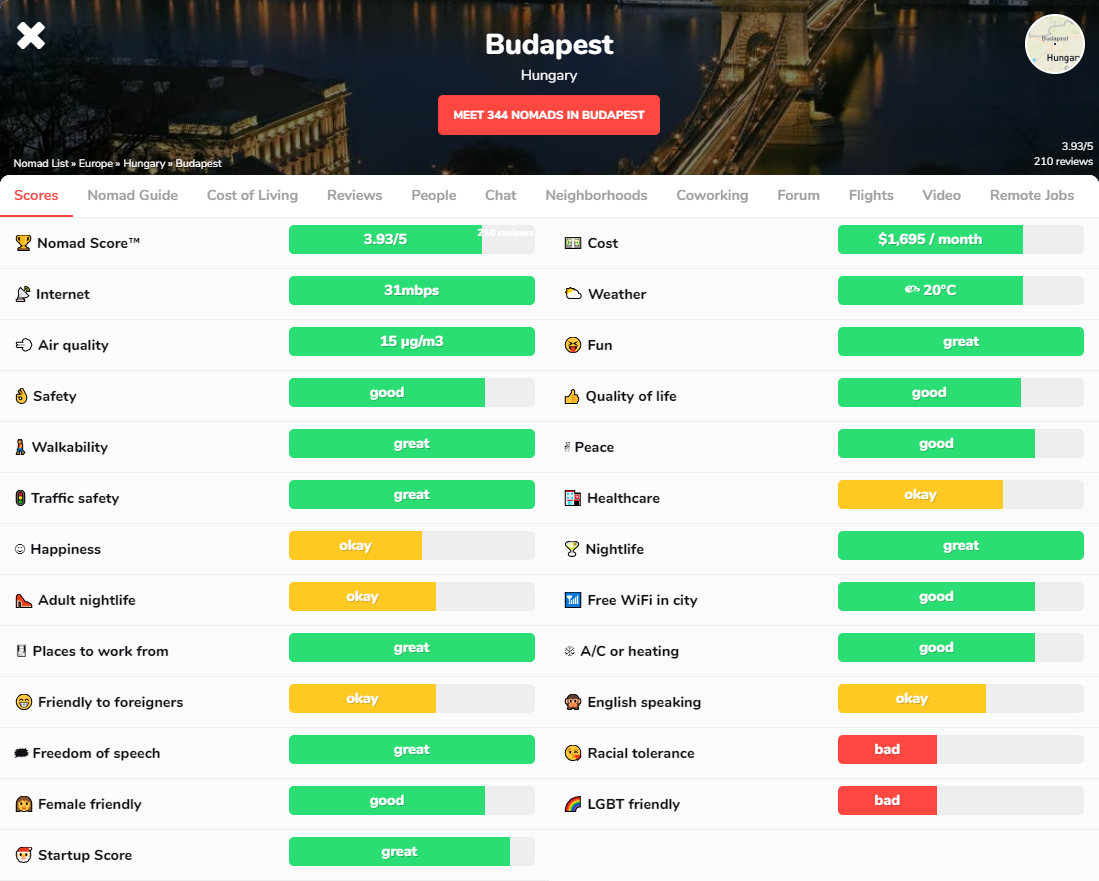
Nomad List – A thriving community for digital nomads and remote workers, Nomad List offers more than just destination data. Members actively share real-time travel advice, co-working spots, visa tips, and even meet up in new cities creating a sense of belonging on the move.
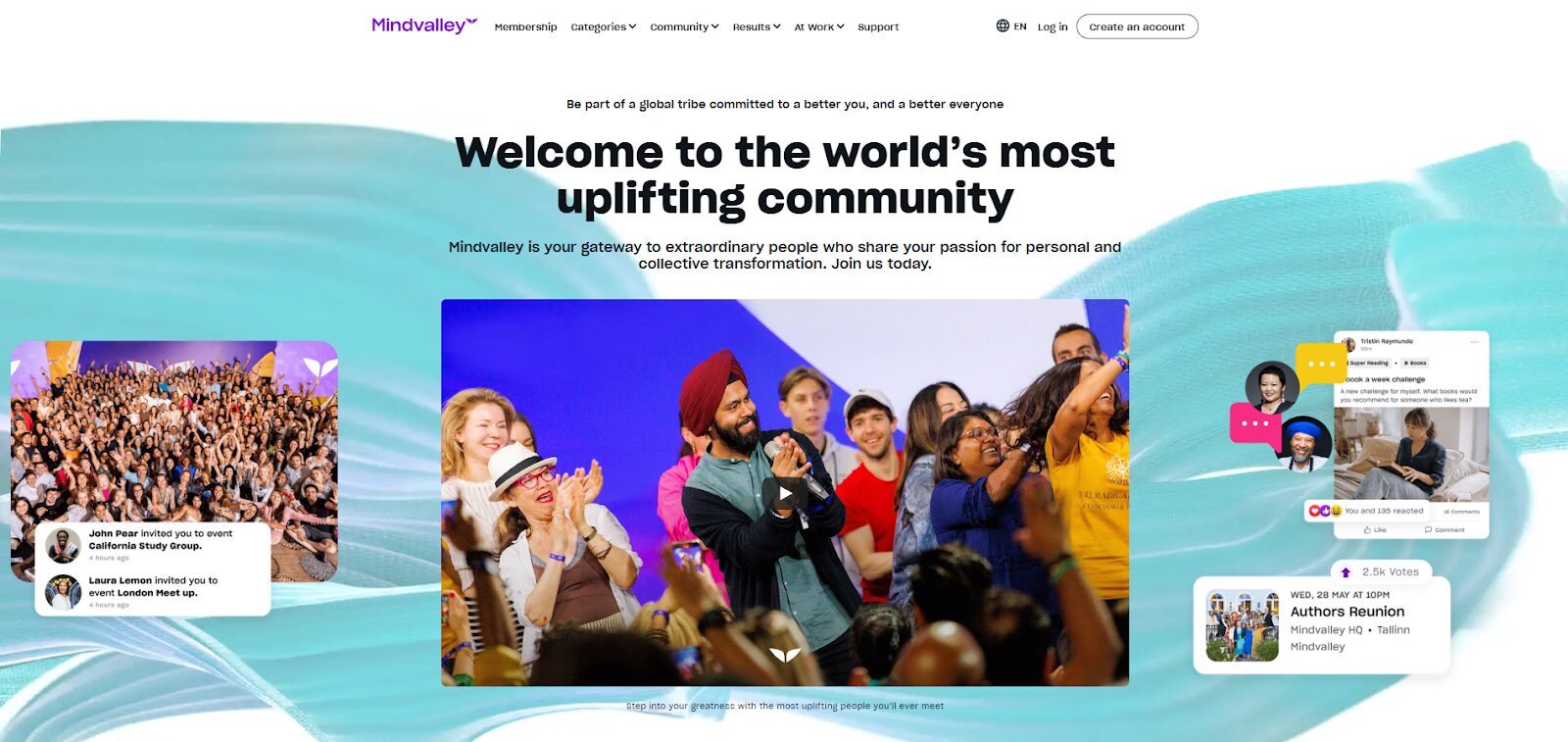
Mindvalley Tribe – Built around personal development and holistic wellness, Mindvalley’s Tribe connects learners from around the world. With member-led discussions, live classes, and offline events, this community empowers transformation through shared values and support.
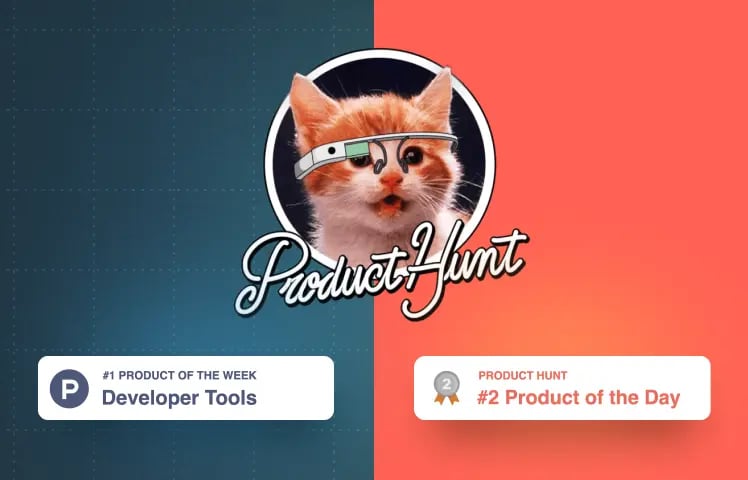
Product Hunt – This tech-savvy community surfaces new startups and tools every day. Founders, makers, and early adopters gather to share feedback, give product tips, and upvote innovations. It’s a launchpad where conversations often spark real momentum for new ideas.
Webflow Community – A no-code development hub where designers and entrepreneurs help each other build, refine, and launch projects. Webflow University, user forums, and local meetups make it a go-to space for modern web creators.
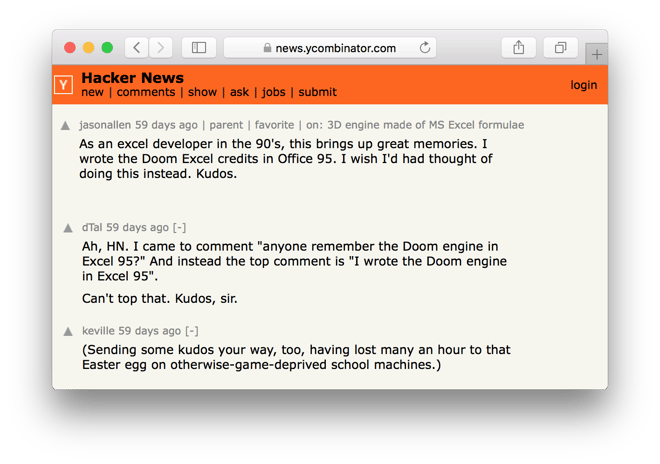
Hacker News (Y Combinator) – A respected online forum for developers, startup founders, and tech enthusiasts. Hacker News focuses on high-quality discussions around innovation, programming, and entrepreneurship with a reputation for depth over hype.
Women in Tech Slack Community – A supportive space designed to empower women across the tech industry. Members share job opportunities, host AMAs, offer mentorship, and create visibility for underrepresented voices in tech.
FAQs About Virtual Communities
Q1: What is a virtual community?
A virtual community is a group of people interacting online around a shared interest, goal, or activity—hosted on digital platforms.
Q2: What’s an example of a virtual community?
Reddit’s r/Entrepreneur, Discord writing groups, or a Circle-based coaching group are all examples of virtual communities.
Q3: Are virtual communities the same as social media groups?
Not exactly. Virtual communities tend to have a defined mission, deeper interaction, and clearer structure than casual social media groups.
Q4: How do you manage a virtual community effectively?
Use moderation tools, delegate responsibilities, create clear guidelines, and engage your members consistently.
Q5: What are the best platforms for starting a virtual community?
Circle, Discord, Facebook Groups, Slack, and BuddyBoss are top platforms based on community goals.
Q6: Can virtual communities make money?
Yes, through memberships, premium content, affiliate marketing, sponsored partnerships, and events.
Conclusion: Building Meaningful Connections in a Digital Era
In 2025, virtual communities are no longer just an add-on, they’re foundational to digital life. They connect people with purpose, offer support in uncertain times, and drive innovation across industries.
Whether you’re starting a niche mastermind or scaling a global support network, the tools, strategies, and community-first mindset shared in this guide will help you thrive.
Subscribe to our Newsletter, and we’ll send you the latest news from BuddyBoss

-
 Article
 Article
- Building Your Online Community