Every community has one common goal, keeping members engaged and coming back.
But here’s the thing: not every member joins for the same reason. Some are there to learn, others to network, and a few just want to belong. Treating them all the same is like serving one dish to a table full of different tastes; it rarely works.
That’s where member segmentation comes in. By understanding your audience and grouping them based on their behavior, goals, or engagement level, you can create personalized experiences that make members feel seen, valued, and motivated to stay.
In this blog, we’ll explore how segmentation shapes retention strategies, the key metrics to track, and practical ways to use data to strengthen community loyalty.
Let's explore how strategic segmentation transforms retention rates and why your platform choice makes all the difference.
What Is Community Segmentation (and Why It Actually Works)
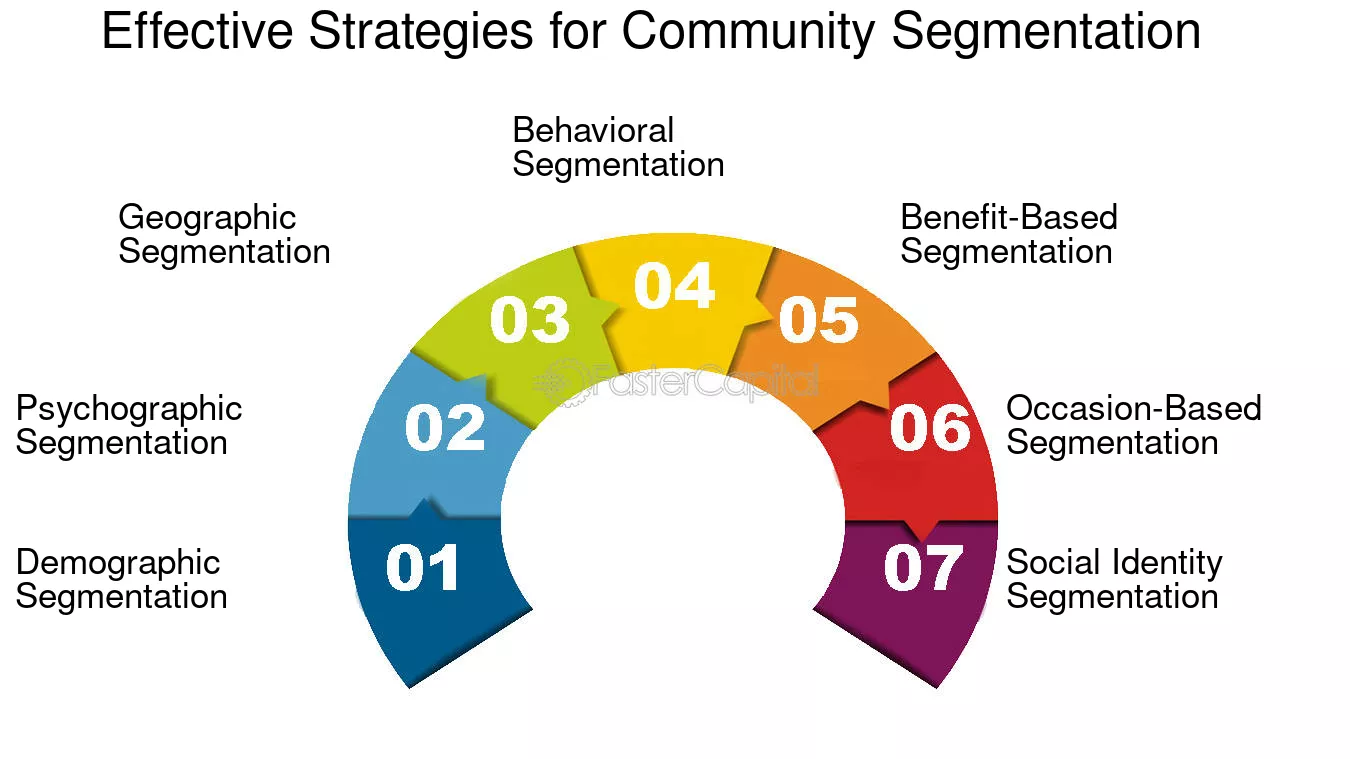
Community segmentation is the practice of dividing your member base into distinct groups based on shared characteristics. Think behavior patterns, interests, membership tiers, engagement levels, or demographics.
Here's the practical difference: Instead of sending one weekly newsletter to 10,000 members, you send targeted messages. Your power users get early access to advanced discussions. New members receive curated onboarding content. Silent lurkers get re-engagement campaigns with low-barrier participation prompts.
The personalization isn't superficial. When someone joins a fitness community interested in strength training, they don't want yoga retreat announcements clogging their feed. Community segmentation ensures each member sees content that matches their goals.
Platforms like BuddyBoss, Circle, and Mighty Networks all offer segmentation features, but they differ significantly in flexibility and control. BuddyBoss provides granular customization through WordPress's open ecosystem, while SaaS alternatives often limit you to preset categories.
How Audience Segmentation Powers Member Retention and Sustained Engagement
Retention depends on emotional investment. Members stay when they feel the community serves their specific needs, not generic content spray.
Community segmentation strengthens this bond through three mechanisms:
Relevance filtering. Members see discussions, events, and recommendations aligned with their interests. A developer in your tech community won't wade through marketing threads to find relevant conversations.
Micro-community formation. Large communities feel overwhelming. Segmentation creates intimate sub-groups where meaningful relationships form. Research from higher education communities shows that students in targeted cohorts participate 3x more frequently than those in general forums.
Behavioral recognition. When your platform notices someone hasn't engaged in 30 days and sends them content based on their past interests, that member feels seen.
Different Types of Segmentation for Online Communities
By Membership Tier
Your free members need different experiences than premium subscribers. Tier-based community segmentation lets you deliver appropriate value at each level while creating natural upgrade paths.
Free members might access basic discussions and monthly webinars. Paid members unlock expert Q&As, exclusive courses, and private networking groups. Premium tiers get one-on-one mentorship access.
BuddyBoss integrates seamlessly with WooCommerce and MemberPress, automatically syncing membership levels with group access permissions. When configured with CRM tools, BuddyBoss can automate parts of access management, reducing manual oversight.
By Interests or Learning Goals
Topic-based segmentation creates focused discussion spaces where expertise develops. Instead of one massive forum, you build specialized sub-communities around specific themes.
A professional development community might segment into leadership skills, technical certifications, career transitions, and freelance business building. Each segment develops its own culture, inside jokes, and trusted contributors.
BuddyBoss lets you create private discussion groups tied directly to specific courses or interest categories. When someone enrolls in your marketing strategy course, they automatically join the marketing-focused community group without extra steps.
By Engagement Level
Not all members participate equally. Community segmentation by engagement reveals critical patterns:
- Champions (weekly contributors): Recognize them, feature their content, invite them to leadership roles
- Regulars (monthly participants): Keep them engaged with relevant discussions and events
- Lurkers (read but rarely post): Lower their participation barriers with polls, reactions, simple questions
- Dormant (30+ days inactive): Trigger re-engagement campaigns based on their original interests
You can automate these workflows through CRM integrations. Tools like n8n, ActiveCampaign, or Groundhogg connect with BuddyBoss to send behavior-triggered emails, adjust member types automatically, or flag accounts needing intervention.
By Geography or Demographics
Regional segmentation works beautifully for hybrid communities hosting local meetups or serving global audiences across time zones.
A wellness community might create regional cohorts for in-person workshops while maintaining global discussion spaces. An educational platform could segment by time zone to schedule live sessions when members can actually attend.
BuddyBoss's flexible group and tagging system makes geographic community segmentation straightforward. You control exactly how location data appears in profiles and which regional groups members can discover.
BuddyBoss vs. SaaS Alternatives: Segmentation Capabilities
Not all platforms handle community segmentation with equal sophistication. Here's what you actually get:
| Feature | BuddyBoss (WordPress) | Mighty Networks (SaaS) | Circle (SaaS) |
| Member Grouping Flexibility | Fully customizable roles, tags, and profile fields | Limited role-based segmentation | Topic-based, not user-specific |
| CRM / Email Integration | Native and plugin support (HubSpot, Groundhogg, ActiveCampaign) | Closed ecosystem | Partial integrations |
| Data Ownership & Control | 100% data ownership | SaaS owns member data | Shared data control |
| Automation Possibilities | Open integrations via WordPress ecosystem | Limited API hooks | Requires Zapier-level automation |
| Scalability for Large Communities | Flexible hosting and scaling | Platform-limited | Platform-limited |
SaaS platforms prioritize simplicity. You get faster initial setup but sacrifice long-term flexibility. As your community segmentation needs evolve, you'll hit platform limitations.
BuddyBoss runs on WordPress, supports full white-label customization, giving you extensive control over your community’s brand presentation, unlimited customization through plugins, and the ability to integrate with virtually any marketing or analytics tool.
When you need sophisticated segmentation for a 50,000-member community, BuddyBoss’s open ecosystem supports long-term scalability for demographic and psychographic segmentation without platform migration
All you need to do is scale intentionally. Add new membership tiers, automation workflows, and engagement features using the same foundation.
How to Implement Segmentation in BuddyBoss
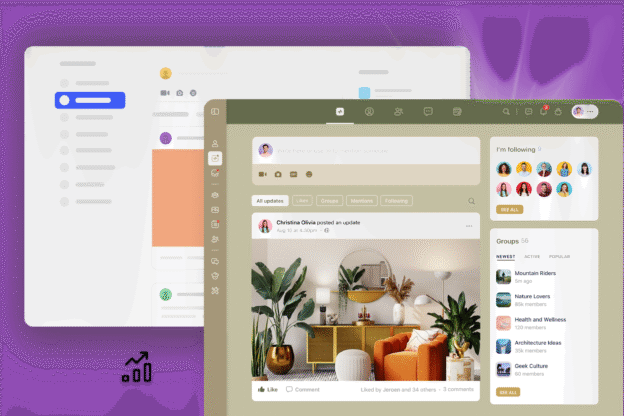
Segmentation in BuddyBoss empowers community managers to deliver relevant experiences to every member. By organizing users based on profile types, groups, interests, or activity, segmentation unlocks targeting options for gamification, marketing, and member communication. This approach ensures that each member receives content and interactions tailored to their needs and roles, helping grow engagement and retention as the community scales.
Step 1: Define Your Segmentation Strategy
Start with clear goals. Are you trying to reduce churn among new members? Increase premium conversions? Reactivate dormant users? Your community segmentation approach should solve specific retention challenges.
Step 2: Configure Profile Fields and Member Types
BuddyBoss lets you create custom profile fields capturing relevant member data—interests, experience levels, goals, location. These fields become your segmentation foundation.
Set up member types (like Student, Professional, Expert) that automatically determine group access and content visibility. Members self-select or get assigned based on their profile data or purchases.
How to customize the profile fields based on profile type within the Platform?
Step 3: Build Automated Workflows
Connect BuddyBoss with your CRM or marketing automation platform. Create workflows triggered by member actions:
- New member completes profile → Add to interest-based groups + Send welcome sequence
- Member inactive 30 days → Send re-engagement email with their favorite topics
- Free member views premium content 3x → Trigger upgrade campaign
Step 4: Monitor and Refine
Use BuddyBoss with analytics plugins or CRM reports to track segmentation performance. Which segments have the highest retention? Where are members churning? Adjust your community segmentation strategy quarterly based on actual behavior.
Pro tip: Combine segmentation with gamification. Award badges or ranks for participation within specific segments. A “Marketing Maven” badge for contributions in the marketing group creates identity and encourages continued engagement.
Measuring Segmentation Success
Track these KPIs to understand whether your community segmentation drives retention:
Member Retention Rate by Segment. Calculate 30, 60, and 90-day retention for each segment. Your most engaged segments should show 70%+ retention at 90 days.
Churn and Reactivation Trends. Which segments lose members fastest? Which responds best to re-engagement campaigns? According to Community Roundtable research, segmented reactivation campaigns achieve 2-3x higher success rates than generic outreach.
DAU/MAU Ratio per Segment. Daily Active Users divided by Monthly Active Users reveals engagement depth. Strong segments maintain 20%+ ratios, meaning members return multiple times monthly.
Segment-Specific Engagement Metrics. Track posts, replies, reactions, and event attendance within each segment. Healthy segments show increasing engagement over time as relationships deepen.
Tier Conversion Rates. For membership communities, measure how many free members upgrade to paid tiers. Effective community segmentation should increase conversions by delivering clear value differentiation.
Common Segmentation Mistakes to Avoid
Over-Segmentation Creates Isolation
Creating 47 hyper-specific sub-groups fragments your community. Members feel isolated in empty segments. Start with 3-5 major segments, then subdivide only when groups exceed 500 active members.
Ignoring Inactive Segments
Many communities segment enthusiastically, then forget about dormant member groups. These represent your biggest retention opportunity. A single well-timed re-engagement campaign can recover 15-20% of inactive members.
Static Segmentation as Members Evolve
Member interests change. Someone joining as a beginner might become an expert six months later. Your community segmentation system should automatically move members between segments as they progress, not trap them in outdated categories.
Segmentation Is Your Sustainable Growth Engine
Community segmentation isn't about dividing your member base. It's about deepening every member's connection to your community through personalized, relevant experiences.
The difference between stagnant communities and thriving ones often comes down to this: generic broadcast messaging versus targeted, meaningful engagement. When members feel your community understands their specific needs and delivers value accordingly, they don't just stay—they become advocates.
With BuddyBoss, you build these dynamic, personalized experiences without platform limitations. You own your data, control your integrations, and scale your community segmentation strategy as sophistication demands increase.
The communities winning in 2025 treat members as individuals, not statistics. That requires both strategic thinking and the right technical foundation.
Ready to personalize your member experience? Explore BuddyBoss segmentation features and see how flexible WordPress-based communities outperform closed platforms. Start with the Pricing Plans.