Monetizing your mobile community app opens the door to real growth.
With the right strategy, revenue becomes a tool not just to sustain your app, but to level it up. It funds better features, smarter marketing, and a richer experience for your members.
When done right, monetization doesn’t take away from your community but it enhances it. Thoughtful, user-first strategies can create more value, deeper engagement, and stronger loyalty.
In this guide, you’ll find 10 proven tactics that strike that perfect balance. Each one is backed by real examples and made easier with platforms like BuddyBoss. Let’s dive in.
1. Build a Premium Subscription or Membership Model
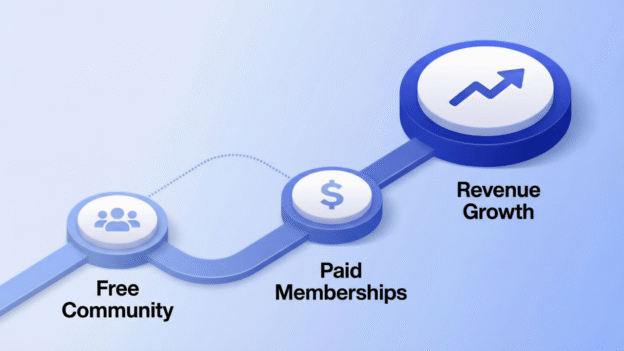
A tiered membership model is one of the most reliable ways to monetize and grow your community.
Keep the core app free to attract users, then offer meaningful upgrades that make staying (and paying) worth it.
Think about all the ways you can do that:- exclusive content, private groups, premium badges, behind-the-scenes access, or early entry to events. These perks create a sense of belonging and status, not just features.
And to do that you can use BuddyBoss + LearnDash to handle recurring payments, member access levels, and premium content delivery all without needing a custom build.
Also Read:- How to Build a Recurring Revenue Model With Memberships & Subscriptions
2. Sell In-App Purchases (IAPs)
In-app purchases (IAPs) let members pay for exactly what they want, when they want it. Whether it’s one-time downloads, exclusive content packs, bonus features, or tools this model gives members flexibility and keeps your app experience frictionless.
IAPs drive nearly 48% of global app revenue, according to Business of Apps. They're especially effective when the purchases are highly relevant, instantly useful, and easy to access.
FitMenCook, a fitness and meal-planning app, monetizes through IAPs by offering downloadable recipe bundles, grocery lists, and meal prep guides. Members can buy only the packs they need, no subscription required.
3. Offer Paid Courses & Events
Turn your knowledge into income by selling access to premium courses, live workshops, and exclusive events.
Whether you're an educator, coach, or creator, people are willing to pay for structured learning and real-time interaction especially when it's tied to a community they already trust.
The global e-learning market is projected to reach $400 billion by 2026, and niche communities are perfectly positioned to tap into that growth.
Because your learners aren’t just browsing but they’re here to learn, improve, and connect.
If you are planning to launch a mobile app for your courses then you can surely consider BuddyBoss + LearnDash + WooCommerce to deliver seamless course access, manage payments, and sell tickets to live sessions all within your app.
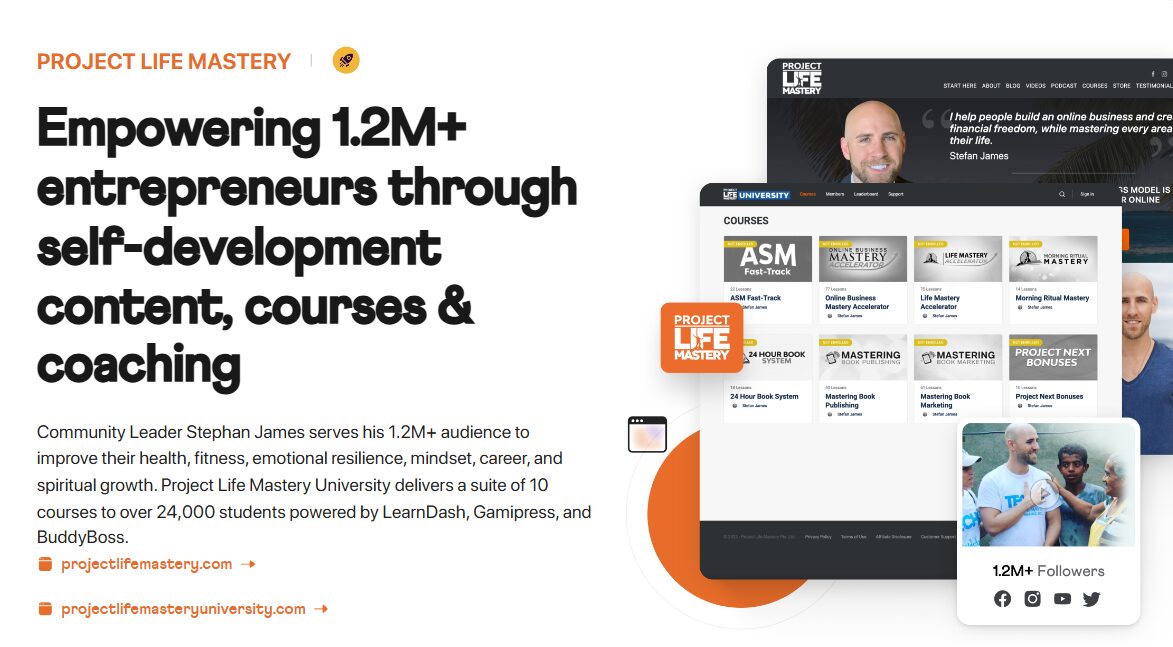
Project Life Mastery uses this exact setup to sell premium coaching programs and digital courses, creating a multi-6-figure revenue stream from their community.
Additional Point: Integrate Advertising (Carefully)
Advertising can be a powerful source of recurring revenue if it’s handled with care.
The goal isn’t to flood your app with ads, but to blend them in so they feel like a natural part of the user experience.
You can you subtle formats like In-feed sponsored posts that match your community’s tone, place Native banners sparingly and promoted content that offers real value
But why does it work? According to Statista, in-app advertising will generate over $400 billion globally by 2026.
When ads are well-targeted and minimally disruptive, they become part of the value stream, not an interruption.
If you are ready to integrate advertising then you can use platforms like Advanced Ads (WordPress-friendly) or Google Ad Manager to control ad placement, frequency, and relevance.
You can even run internal promotions like highlighting your own paid content or products to keep members engaged without relying on external networks.
5. Leverage Affiliate Marketing & Strategic Partnerships
Affiliate marketing is one of the most low-effort, high-reward monetization models out there especially for niche communities.
By recommending tools, products, or services that align with your users’ interests, you can earn commission on every referral while adding value to their experience.
The key? Relevance and trust. Promote only what genuinely fits your audience’s lifestyle or goals. Done right, affiliate links feel more like helpful recommendations than sales pitches.
Platforms like ShareASale, CJ Affiliate, and Amazon Associates make it easy to find affiliate programs in your niche.
BuddyBoss even supports linking affiliate content inside community feeds, member profiles, or lesson modules.
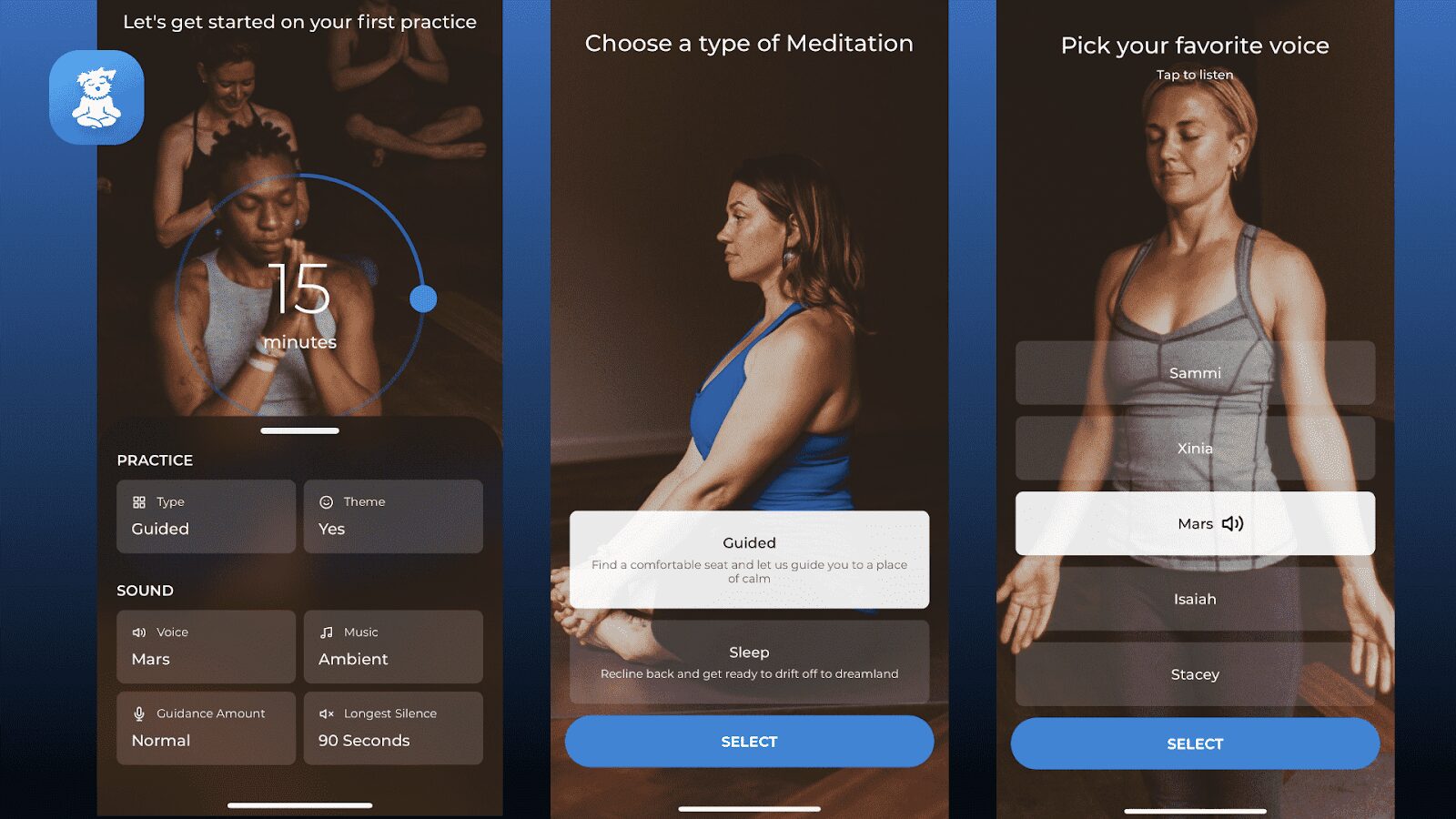
Down Dog, a popular yoga app, integrates affiliate links for yoga mats, blocks, and meditation cushions from brands like Manduka. The gear recommendations are contextually placed after workouts where they feel helpful, not pushy and generate passive revenue while deepening user trust.
6. Upsell Physical or Digital Products
Communities that sell branded merchandise see a higher retention rate (source- Shopify) because users feel more connected when they wear or use something that represents their identity in the group.
If your community trusts your brand, they’ll likely want more than just access. They’ll want what you create. That’s where upselling physical or digital products comes in.
Whether it’s branded merchandise, downloadable tools, or exclusive digital assets, selling your own products is a powerful way to monetize while reinforcing your brand identity.
This strategy works especially well in niche communities, where members are already invested in a specific lifestyle or interest.
What to sell:
- Digital products: E-books, Lightroom presets, design templates, music loops, workout plans
- Physical products: Apparel, gear, accessories, notebooks, equipment bundles
- Printable content: Journals, planners, coloring books, habit trackers

500px, a photography platform, offers premium Lightroom presets, editing packs, and digital courses. After users participate in a photo challenge, they’re offered related tools to help take their skills to the next level perfectly timed, highly relevant.
Also Read:- How to Start a Digital Product Business From Scratch (With 100+ Business Ideas for 2025)
7. Provide Sponsorship & Partnered Content
67% of brands plan to increase their influencer and sponsored content budgets because native advertising generates 2x higher engagement than traditional ads (Source- Influencer Marketing Hub)
Sponsorships and brand partnerships are a high-impact way to generate revenue while adding real value to your community.
You can collaborate with brands to create sponsored posts that feel native to your feed, themed app takeovers tied to a product or seasonal promotion, co-branded giveaways or challenges that boost engagement, and exclusive discount campaigns for your members.
Tasty, Buzzfeed’s cooking app, regularly partners with food brands to sponsor recipe series and contests.
One successful campaign with McCormick featured a “30-Day Flavor Challenge” that drove both engagement and spice sales without disrupting the app experience. It felt like community fun, not product placement.
Tool to Use: Use tools like Upfluence or BrandSnob to connect with sponsors who are actively looking to partner with niche communities.
8. Incorporate a Freemium Model with Smart Upsell Triggers
The freemium model is one of the most effective ways to grow your member base while still generating revenue.
Freemium remains the dominant model in app stores, and according to digittrix, over 94% of app revenue on Google Play comes from freemium apps that monetize through subscriptions or IAPs.
By offering core features for free, you lower the barrier to entry and build trust then strategically place upgrade opportunities where members naturally see the value in paying.
The key is to design friction points that feel like rewards, not roadblocks.
These could include: advanced lessons or tools, access to private community forums or expert Q&As, certifications, badges, or enhanced profiles and saving progress, customizing avatars, or syncing across devices.
A mindfulness and meditation app called Headspace, uses a freemium model to great effect.
New users get access to a basic pack of guided meditations for free. But as they build a habit, the app gently nudges them to upgrade with locked content like sleep sounds, advanced meditation courses, and focus music.
These upsell moments are strategically placed right when members are most engaged and ready to go deeper.
9. Explore Micro-Transactions & Virtual Goods
Micro-transactions are small purchases usually under a few dollars that let users personalize, express themselves, or gain tiny boosts inside your app.
While each sale is small, the volume can scale fast, especially in highly active communities.
Things like custom emojis or sticker packs, avatar outfits, skins, or accessories, “Super likes,” reactions, or priority comments, digital gifts or badges to send to other members.
Apps like Twitch and Fortnite have shown that users will spend freely on cosmetic upgrades that boost their presence or reputation in a digital space.
A really good example would be Amino, a community app platform, monetized through virtual goods like chat stickers, profile themes, and special “coins” users can spend to highlight their posts or support creators.
These micro-transactions have become a major revenue stream driven entirely by user expression and recognition.
10. Track, Test & Refine Your Monetization Strategy
No monetization tactic is set-it-and-forget-it. What works today might plateau tomorrow so the key to long-term revenue is continuous testing, tracking, and tweaking.
Use in-app analytics to monitor what users engage with, where they drop off, and what triggers lead to conversions.
Then run structured A/B tests on:- Pricing tiers (monthly vs. annual), IAP bundles vs. subscriptions, Paywall copy and design, Trial length or discount offers and Upgrade prompts and timing.
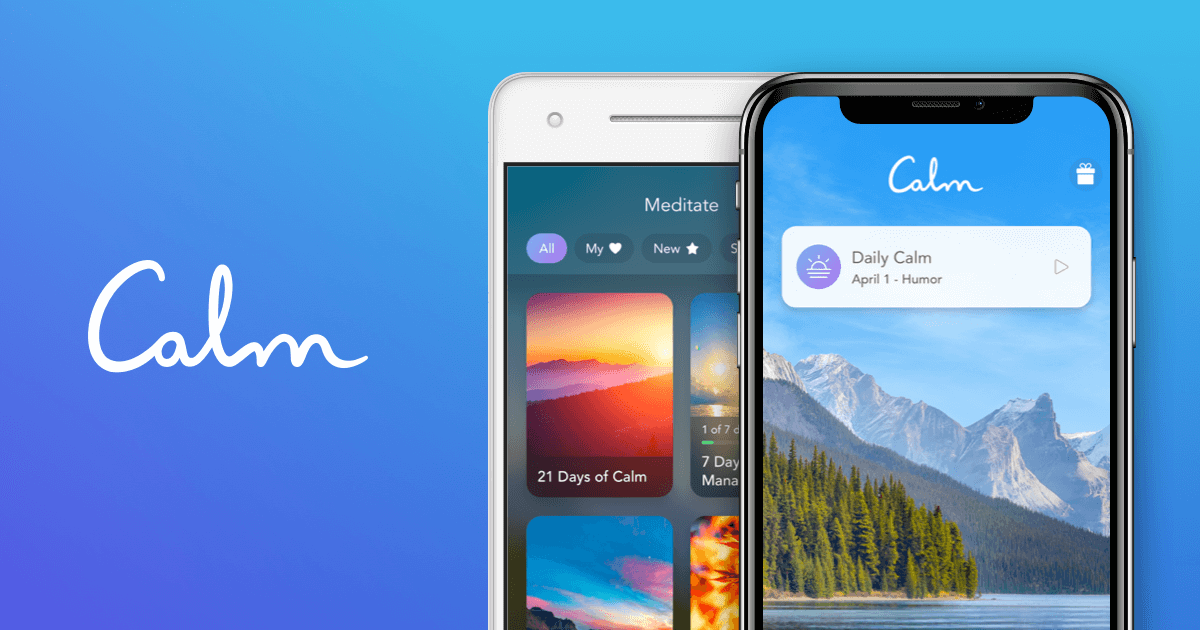
An example for this is Calm, the meditation and sleep app, rigorously A/B tested its paywall messaging, pricing options, and when the upgrade prompts appeared.
By shifting from an immediate paywall to a value-first experience (offering a few free sessions before showing pricing), they increased free-to-paid conversion rates and helped drive Calm’s valuation past $2 billion.
Tool tip: Use analytics tools like Mixpanel, Google Analytics, or Amplitude to monitor member journeys and identify high-converting touchpoints. If you're using BuddyBoss, integrate with MemberPress, WooCommerce, or native reporting features to analyze trends, member retention, and monetization flow.
FAQs on How to Monetize Your Mobile Community App
1. What’s the best way to start monetizing a mobile community app?
Start by identifying your audience’s needs and behaviors. From there, choose one or two monetization models that align such as a premium membership tier or selling digital products. Test them first before expanding into other revenue streams.
2. Is it possible to monetize a free community app without hurting engagement?
Yes. If done thoughtfully, monetization can actually enhance the community experience. Offer valuable upgrades, exclusive content, or optional purchases that add to the experience rather than limit it.
3. What’s the difference between subscriptions and in-app purchases (IAPs)?
Subscriptions provide recurring revenue and usually unlock premium access over time. IAPs are one-time purchases like downloadable content or special features. Many apps use a mix of both for flexibility.
4. Can I monetize a small or niche community?
Yes and sometimes niche communities monetize better. When your audience is deeply engaged and trusts your brand, they’re more willing to pay for valuable, tailored experiences.
5. What’s the role of affiliate marketing in mobile apps?
Affiliate marketing allows you to earn commissions by recommending products or services your audience will love. It's passive, scalable, and works best when tied directly to community content or challenges.
Conclusion: Diversify and Iterate
The most successful community apps don’t rely on just one revenue stream, they build a monetization mix.
Subscriptions bring recurring income. Digital products offer high margins. Affiliate links, events, and sponsorships add depth and flexibility.
Start small and stay smart. Begin with one or two aligned models like a premium membership tier and affiliate partnerships then use data to test, refine, and expand.
Ready to monetize? BuddyBoss gives you everything you need to launch, manage, and scale a revenue-generating mobile community app. From memberships to digital product sales, it’s all possible right from your WordPress site.
👉 Download BuddyBoss & Launch Your Monetized Community App Today