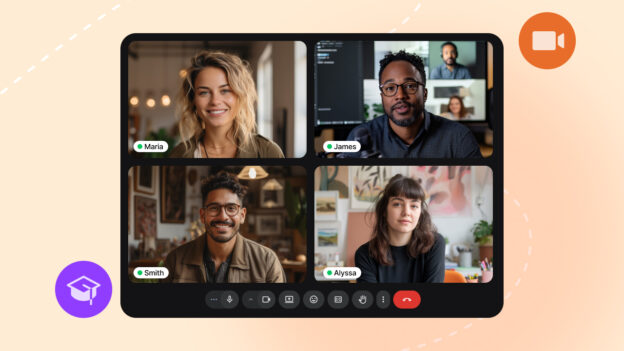
Virtual classrooms have become more than just a temporary solution.
They’re a core part of modern education. Yet, one critical challenge remains: student engagement in virtual classrooms.
Unlike traditional classrooms, online environments lack physical presence, making it harder to keep students interested, interactive, and motivated.
Educators worldwide are searching for new ways to capture attention, spark curiosity, and foster meaningful learning experiences virtually.
This guide offers practical, research-backed strategies to increase student participation and enthusiasm in virtual learning.
What Student Engagement Really Means: Behavior, Emotion, and Thinking
Just showing up for class isn’t the same as being truly engaged. Real engagement has three important parts:
Behavioral engagement means joining in like taking part in class discussions, finishing your assignments, and being present during lessons.
Emotional engagement is about how you feel. Do you feel connected to your teacher and classmates? Do you feel like you matter and want to do well?
Cognitive engagement is all about your thinking. Are you focused, trying to understand the material, and using what you learn?
All three: what you do, how you feel, and how you think work together. To stay fully engaged, especially online, students need support in all of these areas.
The Shift to Virtual Classrooms: Challenges and Opportunities
Online learning became much more common during the pandemic and is still growing as technology improves.
But the switch from regular classrooms to online ones hasn’t been easy for everyone.
Many teachers say students often don’t participate, some leave their cameras off, miss deadlines, or stay silent during class discussions.
Even with these challenges, virtual classrooms also have some big advantages.
They let teachers customize lessons, use cool resources from around the world, and try new ways of teaching.
Get the 2025 Community Growth Guide
How to Start and Grow a Virtual Community in 2025
Common Barriers to Student Engagement in Virtual Classrooms
Online learning can be really helpful because it gives students more flexibility and access. But it also comes with its own set of problems that can make it harder for students to join in and stay focused. The first step to fixing this is knowing what those problems are.
Lack of Motivation and Personal Connection
Did you know? A survey in 2021 showed that 60% of students in online classes said feeling isolated was a big reason they lost motivation.
When you're not in a real classroom, it’s easy to feel alone. You don’t get to talk with friends between classes or feel the energy of being around others.
That can make students feel invisible or unimportant, which often leads to losing motivation.
Why this matters: Students are more likely to care about class when they feel like their voice matters when they’re seen, heard, and feel like part of the group, not just a name on a screen.
Distractions in the Home Environment
Unlike the controlled setting of a school, home environments are often filled with distractions.
From noisy siblings to mobile phones buzzing with social media updates. These interruptions break concentration and reduce the ability to stay present in class.
Example: Teachers in urban schools during the pandemic reported students attending class from kitchens, shared bedrooms, or even busy streets, each environment limiting their ability to stay focused and engaged.
Technical and Accessibility Issues
Reliable internet, up-to-date devices, and basic digital literacy are foundational to successful online learning. Unfortunately, not all students have equal access to these resources.
According to a UNICEF report, at least one-third of the world's schoolchildren lacked access to remote learning tools during the pandemic.
Even in developed countries, students in rural or low-income areas faced significant barriers in connectivity and access.
8 Proven Strategies to Improve Student Engagement in Virtual Classrooms
Keeping students actively involved in a virtual setting requires more than just showing slides and asking, “Any questions?” Below are tried-and-tested strategies backed by real-world examples to boost student engagement in online learning.
1. Make Sessions Interactive
Passive listening quickly leads to disengagement. Add interactive elements like polls-quizzes, and breakout discussions to make students feel like participants, not just viewers.
2. Incorporate Multimedia and Visual Aids
Attention spans in virtual environments are short. Using visuals such as videos, GIFs, slides, or real-life case studies keeps students curious and helps with concept clarity.
3. Gamify the Learning Experience
Gamification transforms routine lessons into rewarding experiences. Using leaderboards, badges, or rewards can tap into students’ intrinsic motivation.
4. Foster a Sense of Belonging
Students are more likely to engage if they feel emotionally connected to the learning environment. Small gestures like ice-breakers, peer shoutouts, or casual check-ins can create that community vibe.
5. Use Clear and Regular Communication
Uncertainty kills engagement. Students should always know what’s expected of them and where to find key information.
6. Encourage Student-Led Learning
Giving students ownership makes them more accountable and invested in the topic. Let them take turns leading discussions, presenting ideas, or even creating quiz questions.
7. Provide Timely Feedback
Quick, personalized feedback shows students that their work is seen and valued. It also guides their learning process in real-time.
Example:
An online English tutor in Singapore used Loom to send 2-minute personalized video feedback to each student. Parents and students reported significantly higher satisfaction compared to generic text feedback and students began submitting higher-quality assignments as a result.
8. Leverage Technology Wisely
Don’t just use tools for the sake of it. Choose tech that complements your goals and makes participation easier, not more complex.
Why BuddyBoss Is the Best Platform to Engage Students in Virtual Classrooms
You've seen the 8 proven strategies but turning them into real results takes more than just good ideas. You need a platform that brings everything together in one place. That’s exactly what BuddyBoss does.
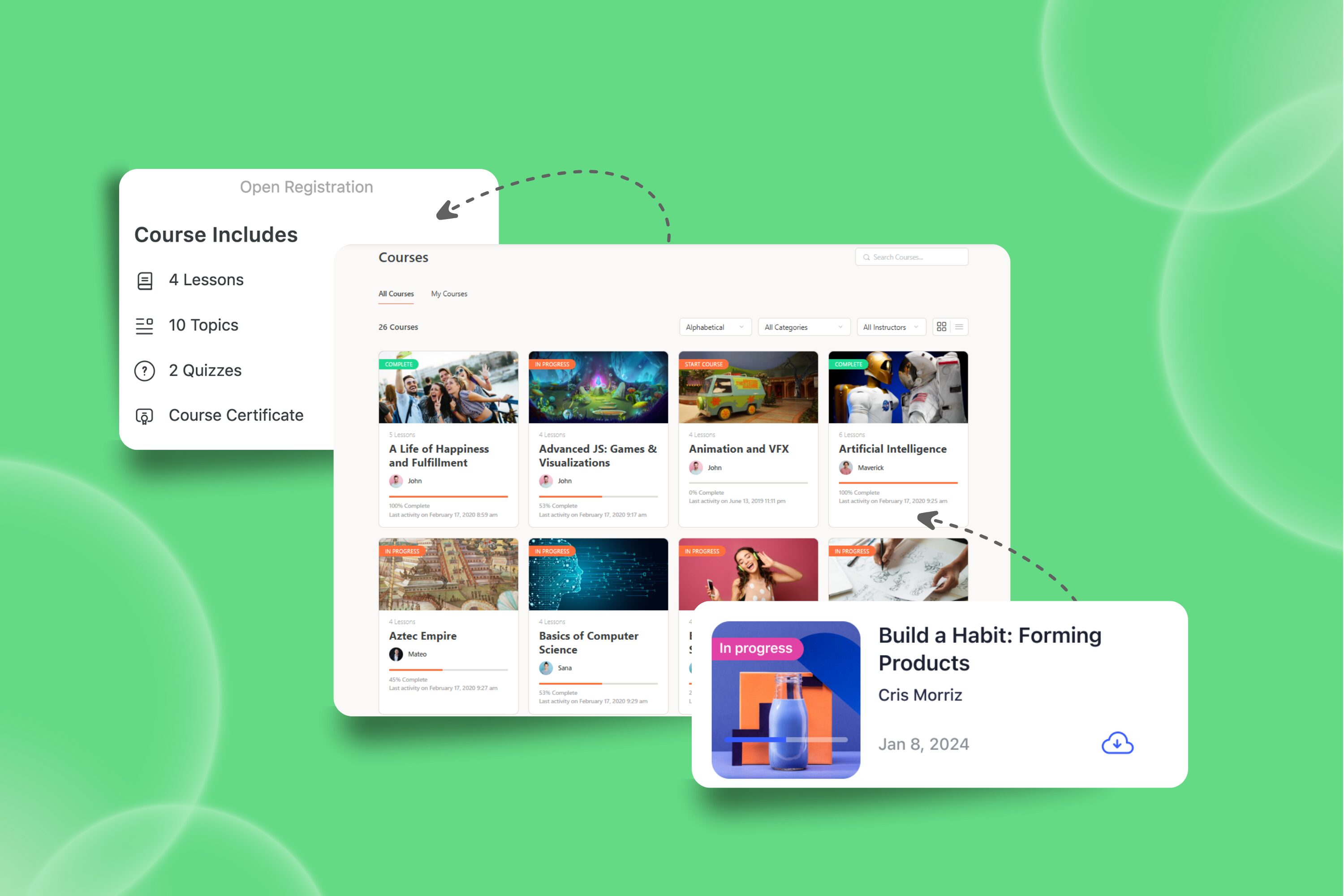
BuddyBoss is a powerful, all-in-one platform built for creating interactive, community-driven learning experiences. Whether you're teaching live classes, running an online course, or building a full virtual school, BuddyBoss makes it easier to keep students connected, motivated, and involved.
Here’s how BuddyBoss boosts engagement in virtual classrooms:
Built-In Gamification
Turn learning into a challenge with points, badges, achievements, and leaderboards. Students stay motivated and come back for more.
Explore Gamification Features »
Live Polls, Quizzes, and Interactive Discussions
Keep the class lively with real-time polls, custom quizzes, and active discussion threads that feel more like social media than homework.
See Interactive Tools »
Zoom & LearnDash Integration
BuddyBoss works smoothly with tools like Zoom and LearnDash, so you can host live classes and track student progress, all in one place.
View LearnDash Integration »
Zoom Integration Details »
Mobile-First Experience
Students can engage anytime, anywhere using the BuddyBoss mobile app. Notifications, messages, and activity feeds keep them in the loop even on the go.
Community Features That Feel Like Social Media
Private groups, member profiles, messaging, and activity streams build a real sense of belonging just like in a physical classroom, but better.
Ready to Build an Engaging Virtual Classroom?
Thousands of educators and course creators trust BuddyBoss to bring learning to life.
👉 Compare Plans & Pricing »
Ideas Designed to Engage Students in Active Learning Online
- Project-Based Learning (PBL): Let students choose topics and present findings creatively.
- Flipped Classroom Models: Assign video lectures for homework and use class time for problem-solving.
- Peer Teaching Opportunities: Students can co-lead discussions or teach mini-lessons.
- Digital Portfolios: Showcase student work over time to track growth and achievements.
- Virtual Field Trips: Use tools like Google Earth or museum tours to explore topics.
- Role-playing Simulations: Ideal for history, literature, or social science topics.
- Think-Pair-Share Activities: Promote discussion before group reflection.
- Choice Boards: Give students a menu of activity options to choose from.
Frequently Asked Questions
1. What tools can help engage students during online learning?
Tools like Kahoot, Quizizz, Zoom breakout rooms, Google Slides, Nearpod, and Flipgrid all support interaction, creativity, and collaboration making learning more engaging.
2. What role does feedback play in student engagement?
Quick, personalized feedback shows students their work matters. Whether it’s a short video, voice message, or written note, real-time responses keep students motivated and on track.
3. How can students lead their own learning in a virtual classroom?
Let students present, ask questions, lead discussions, or choose from different assignment formats (like videos, posters, or podcasts). Giving them choice builds confidence and ownership.
4. What if students are too shy to speak up in online class?
Use polls, chat boxes, and breakout rooms to give quieter students low-pressure ways to participate. Encourage all types of engagement not just verbal ones.
5. How can teachers reduce distractions during online class?
Keep lessons short and varied, include active breaks, and set clear expectations for focus time. Help students create a quiet workspace and stay off other apps during class.
6. How do I know if students are engaged online?
Look for signs like participation in discussions, timely assignment submissions, consistent attendance, and questions or feedback from students. Tools like Google Classroom or LMS analytics can also track engagement levels.
Bringing It All Together: New Ways to Lead and Engage Online
Boosting student engagement in virtual classrooms isn't just about adding more tech or flashy tools it’s about designing human-centered learning experiences that meet students where they are.
By prioritizing connection, variety, and personalization, educators can transform passive learners into active participants. It’s about creating a space where students feel seen, supported, and challenged in ways that mirror real-world collaboration and curiosity.
Build A Thriving Virtual Classroom With Buddyboss- Start Now